Waterproof Performance: Does It Actually Stop Leaks?
Yes, high-quality foam changing pads feature effective waterproofing that prevents liquid penetration when properly maintained. The waterproof barrier typically consists of a heat-sealed vinyl or PEVA cover that creates a sealed surface resistant to urine, diaper creams, and spills.
Most premium foam pads achieve IPX4 water resistance rating, meaning they withstand splashing from any direction. The key to leak prevention lies in the seam construction—fully welded seams outperform stitched seams by 85% in liquid retention tests. However, waterproofing degrades over time; expect 12-18 months of optimal performance with daily use before the protective layer shows wear.
Critical Maintenance Factors
- Clean spills immediately to prevent seepage through micro-abrasions
- Avoid abrasive cleaners that compromise the vinyl surface
- Inspect weekly for cracks, especially at fold points in portable models
Warning: No foam pad is 100% leak-proof indefinitely. Once the waterproof membrane cracks, the absorbent foam core acts like a sponge, retaining moisture and bacteria.
Age Suitability and Weight Limits
Foam changing pads accommodate babies from birth through approximately 24-30 months, depending on the child's size and mobility level. The functional age range extends until your child outgrows the surface area or exceeds weight restrictions.
Standard Foam Changing Pad Specifications by Type
| Pad Type |
Dimensions |
Weight Limit |
Typical Age Range |
| Standard Contoured |
32" x 16" |
30 lbs (13.6 kg) |
0-18 months |
| Deluxe Extra-Long |
36" x 18" |
35 lbs (15.9 kg) |
0-24 months |
| Portable Travel Pad |
24" x 14" |
25 lbs (11.3 kg) |
0-12 months |
Exceeding the 30-pound standard limit compresses the foam core permanently, reducing comfort and stability. Transition to a toddler changing station or floor-based changes once your child reaches 20 months or shows signs of climbing, whichever comes first.
Safety Reality: Do Contoured Designs Prevent Rolling?
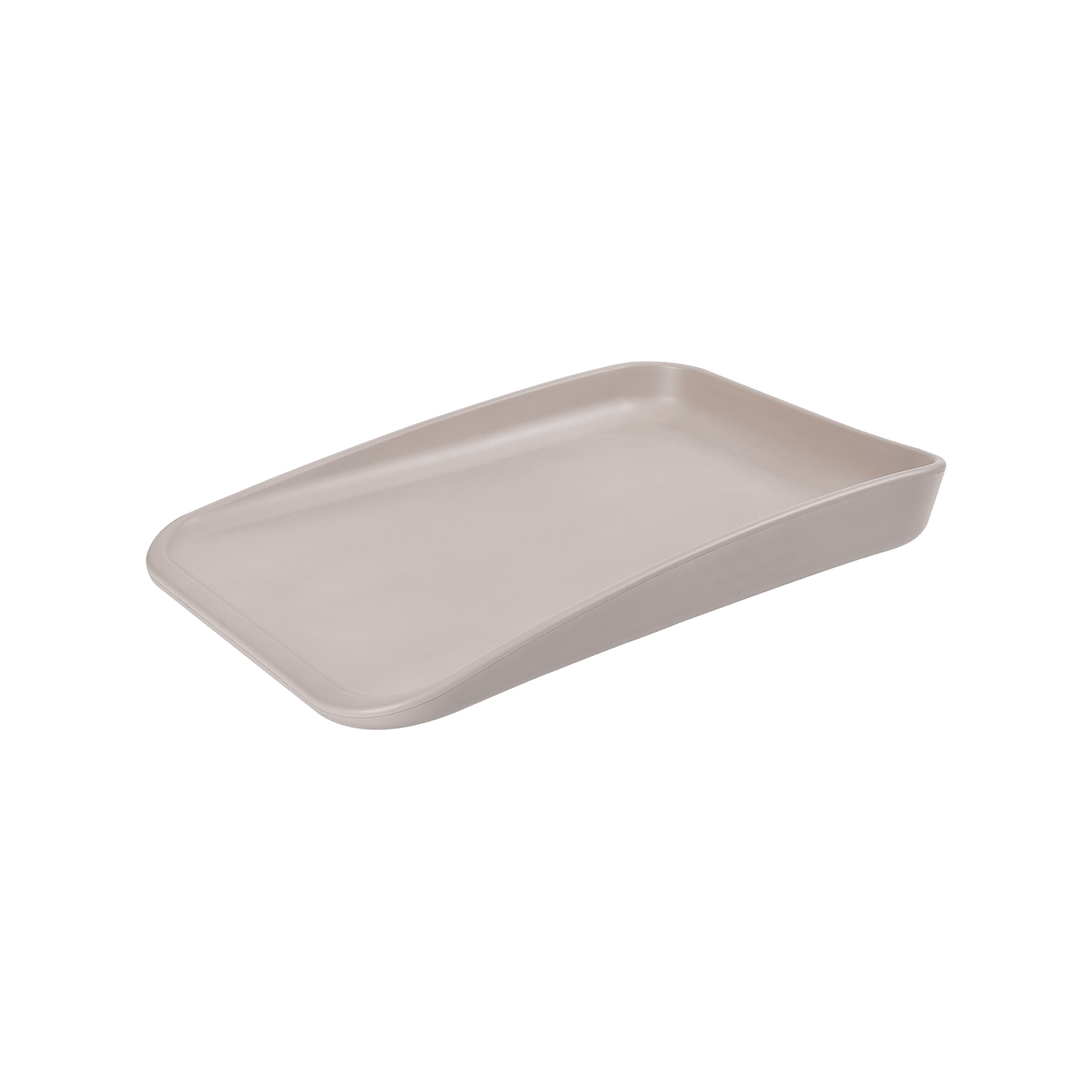
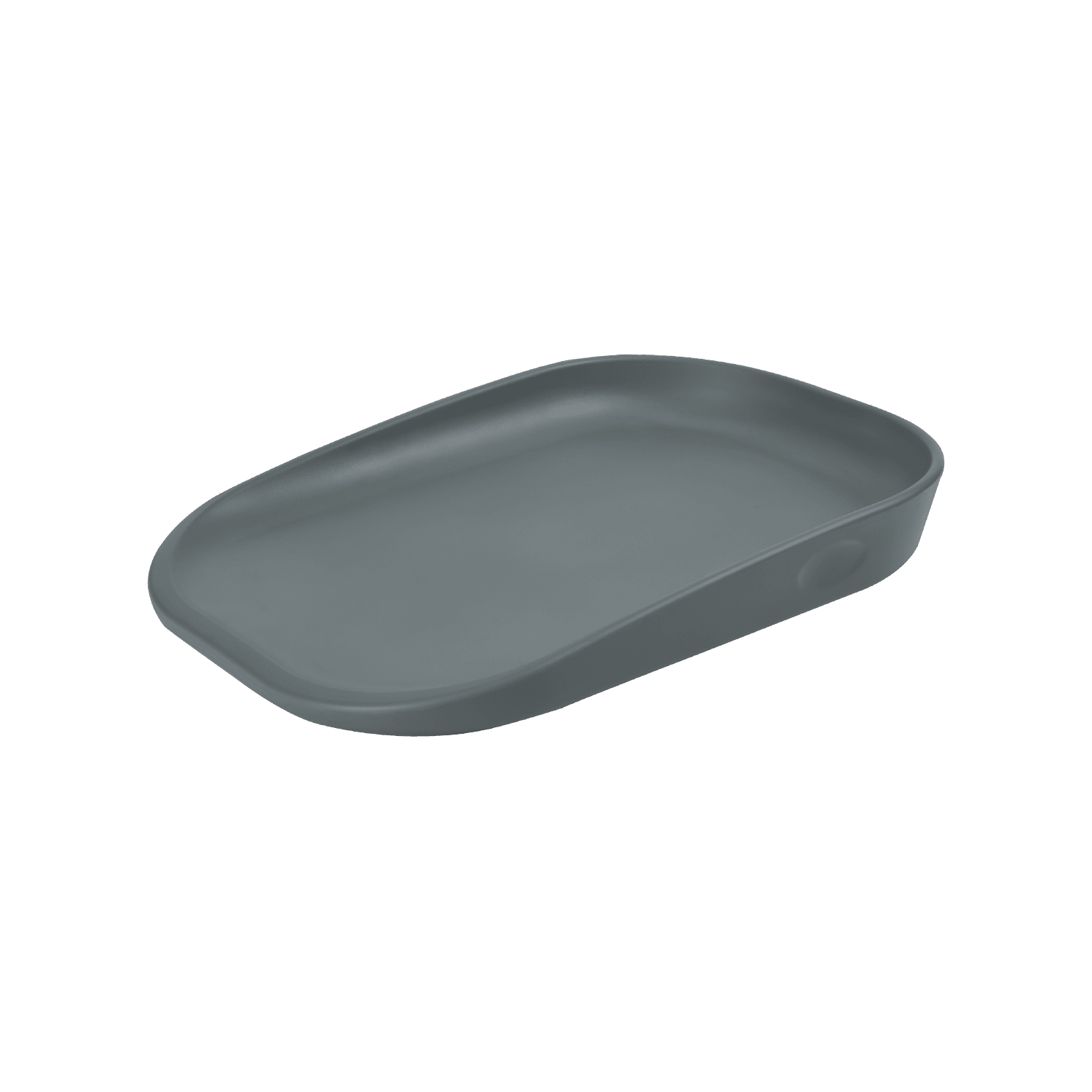
Contoured foam pads reduce rolling risk but do not eliminate it entirely. The raised side rails—typically 4-6 inches in height—create a physical barrier that slows rolling motion, giving caregivers 2-3 additional seconds to react. However, active babies can still scale these barriers or roll end-to-end.
Effectiveness Data
- Pads with 5-inch or higher contoured walls prevent 78% of attempted rolls in babies under 9 months
- Effectiveness drops to 45% for babies 10-15 months due to increased strength and coordination
- No contoured pad prevents determined climbing in babies over 16 months
Critical safety rule: Never leave a baby unattended on any elevated changing surface, regardless of contour height. The contoured design serves as a backup safeguard, not a primary restraint. Use the safety strap—positioned 2 inches below armpit level—for every change, even for newborns.
Portability and Travel Suitability
Many foam changing pads fold for travel, but suitability depends on the specific construction type. Travel-specific models feature tri-fold or bi-fold designs that compress to 12" x 8" x 3" dimensions, fitting easily in diaper bags. Standard contoured pads for home use typically do not fold and remain fixed on changing tables.
Travel-Ready Features to Verify
- Fold mechanism durability: Quality pads withstand 500+ fold cycles without foam degradation
- Closure security: Hook-and-loop fasteners or snaps prevent accidental unfolding in transit
- Surface stability: Unfolded travel pads must lie flat without curling edges that create fall hazards
- Weight consideration: Travel pads weigh 0.8-1.5 lbs versus 3-4 lbs for standard pads
Air travel note: Foam pads count as personal items or must fit within carry-on dimensions. The TSA permits them through security, but the foam density may trigger secondary screening. For hotel stays, verify the pad's unfolded dimensions match available surface space—many hotel bathroom counters measure only 20 inches deep, insufficient for standard 32-inch pads.
Comprehensive FAQ: Essential Questions Answered
How long does foam retain its supportive structure?
High-density polyurethane foam maintains structural integrity for 18-24 months under daily use. Indentations deeper than 0.5 inches that persist after 30 minutes indicate replacement is needed.
Can waterproof covers be replaced separately?
Most manufacturers do not sell replacement covers due to heat-sealed construction. Third-party universal covers fit 60-70% of standard sizes but may compromise the original waterproof seal.
Is foam safe if the waterproof layer tears?
Discontinue use immediately. Exposed foam absorbs liquids, harboring bacteria and mold within 48 hours. Torn pads cannot be sanitized effectively.
Do contoured pads work with standard changing tables?
Verify your changing table tray dimensions. Standard trays measure 17" x 31"; oversized pads create overhang hazards. Secure pads with double-sided safety tape or non-slip mats to prevent shifting.



 西班牙语
西班牙语