


 西班牙语
西班牙语Industry News
Home / News / Industry News / What are the fundamental principles of Baby Care and Development Products?
Content
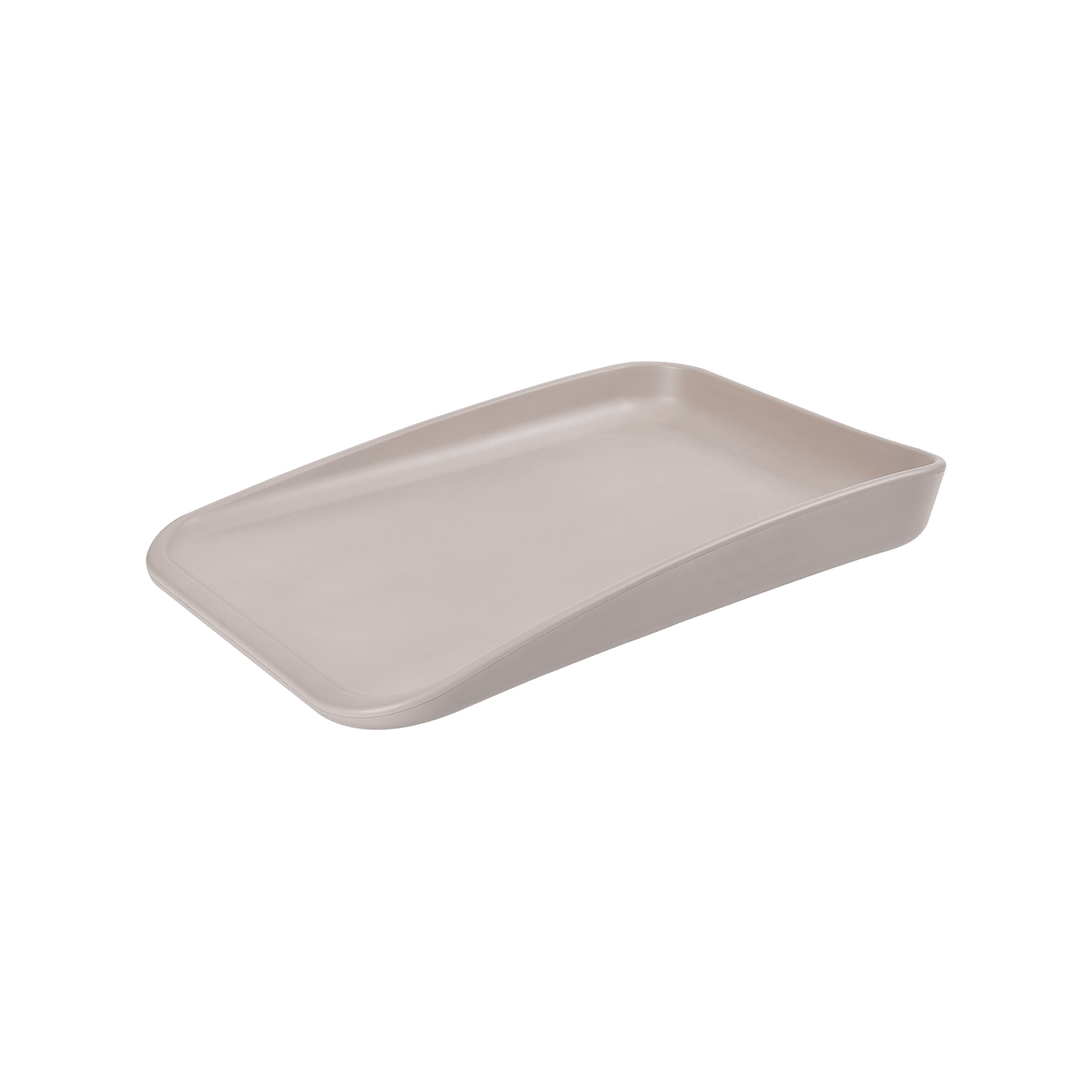
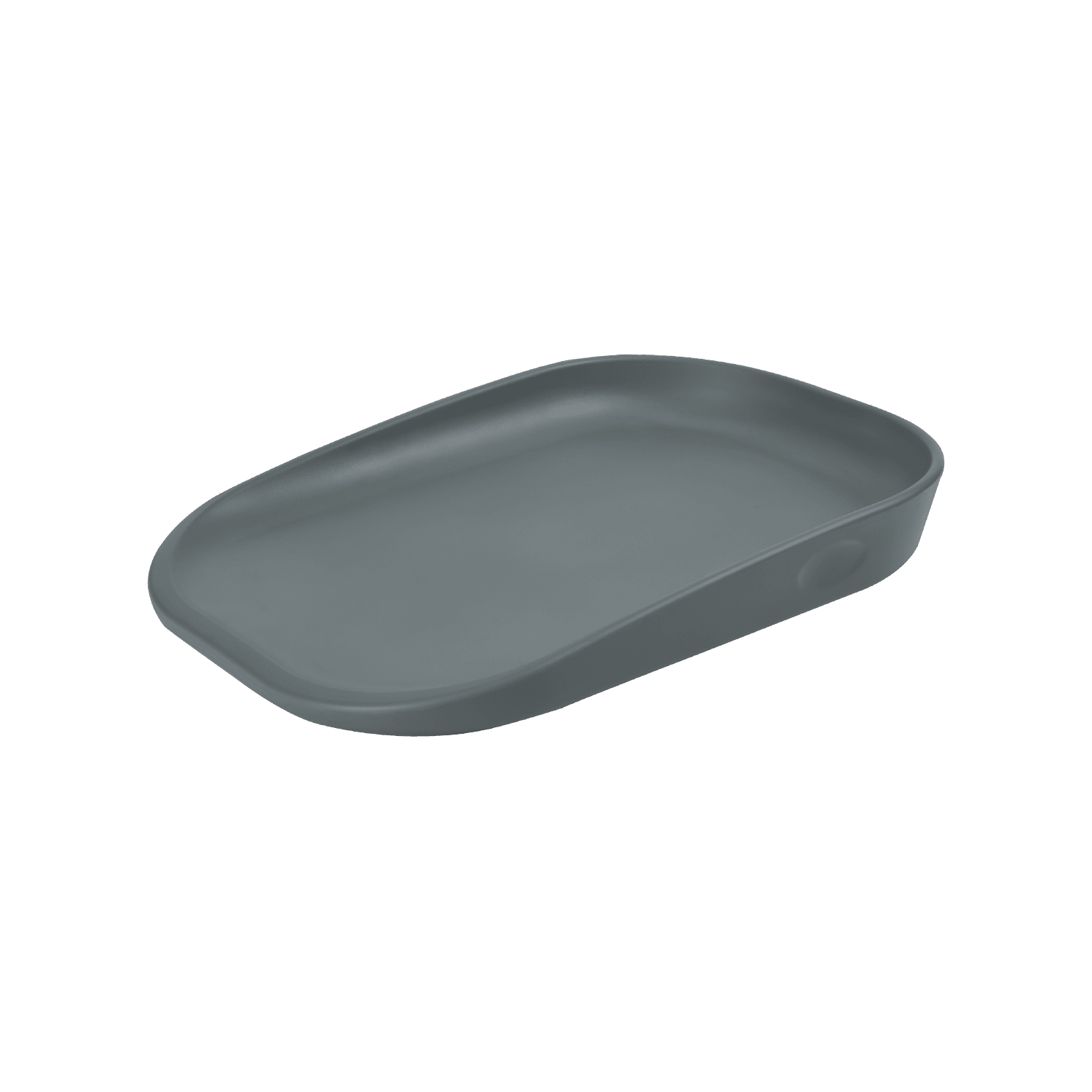
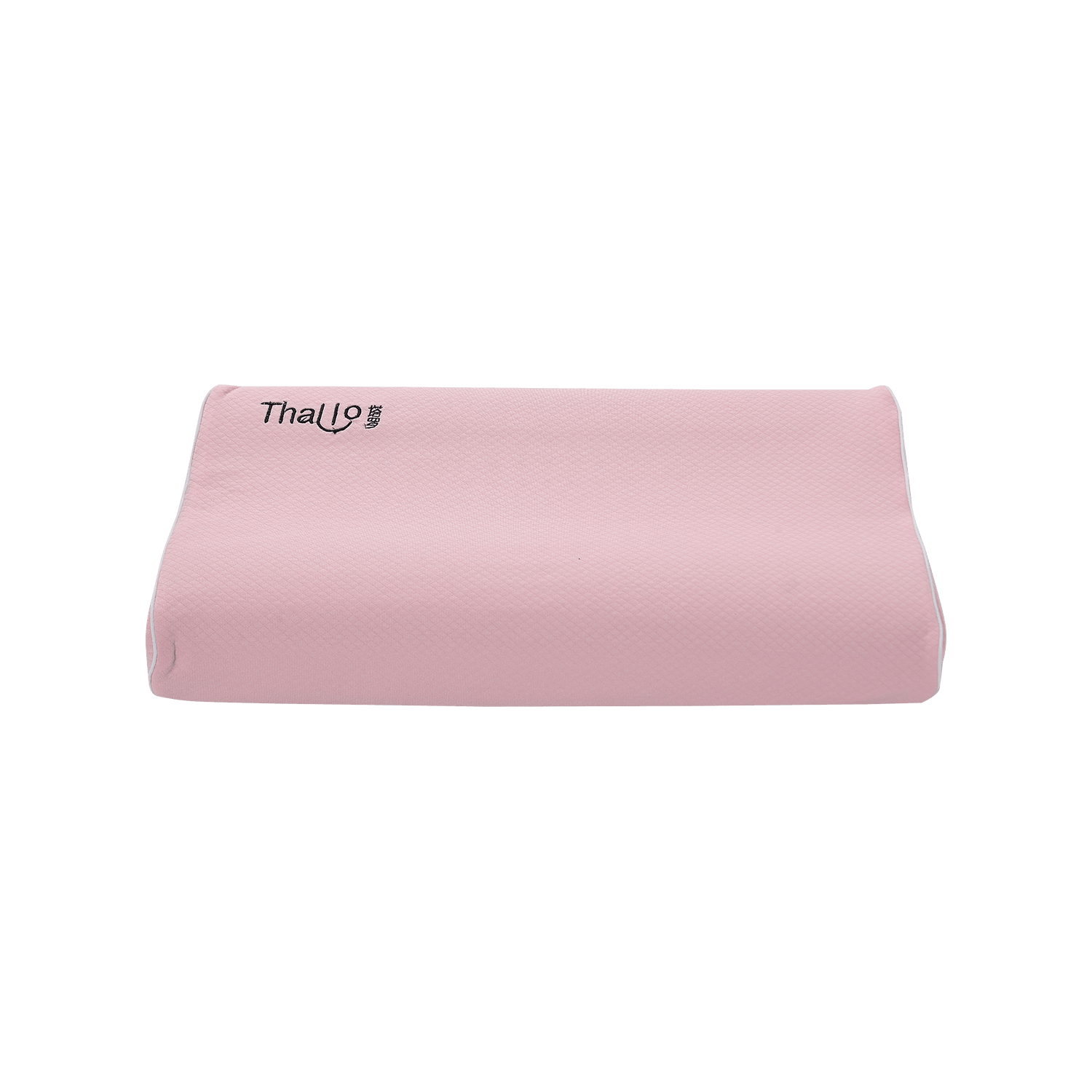
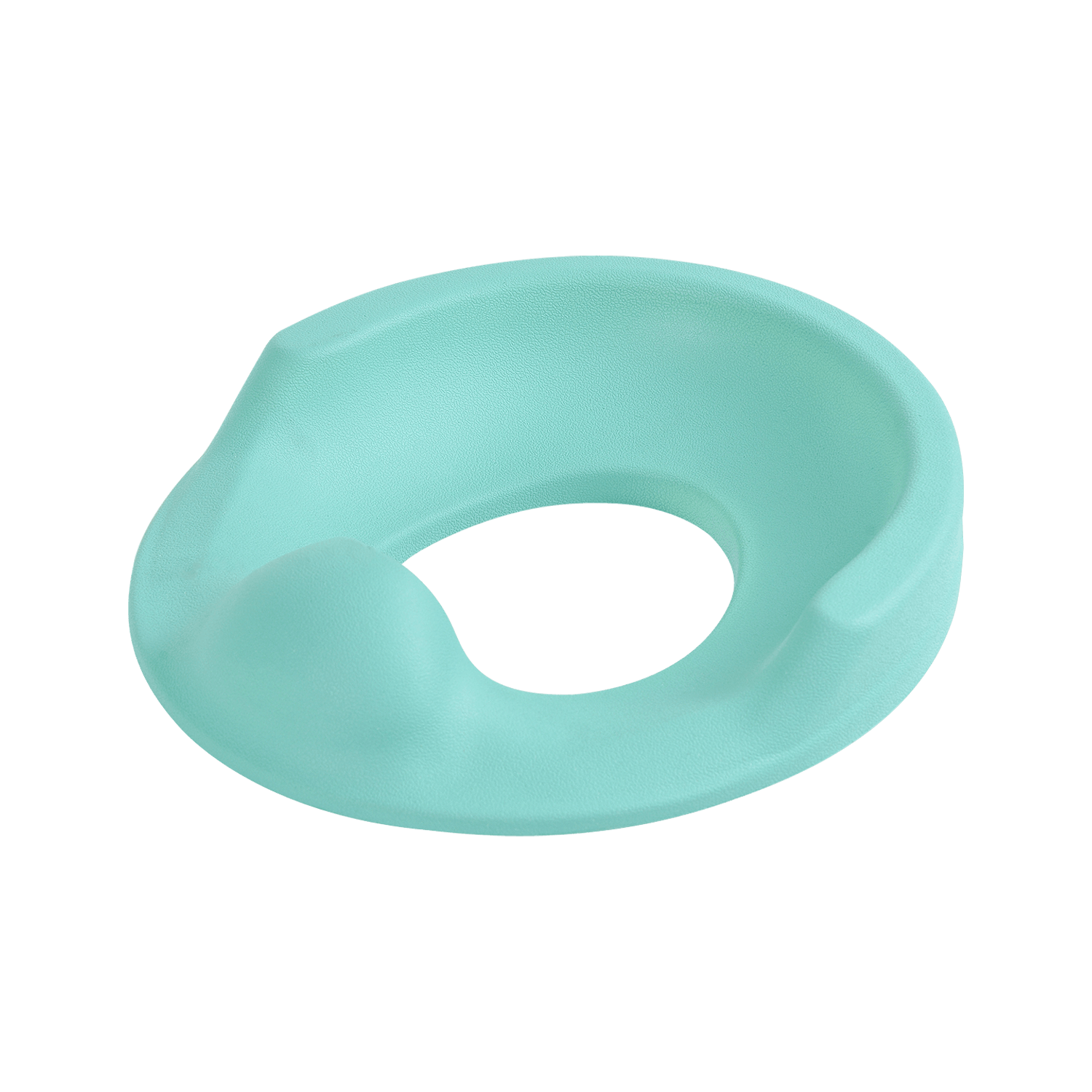
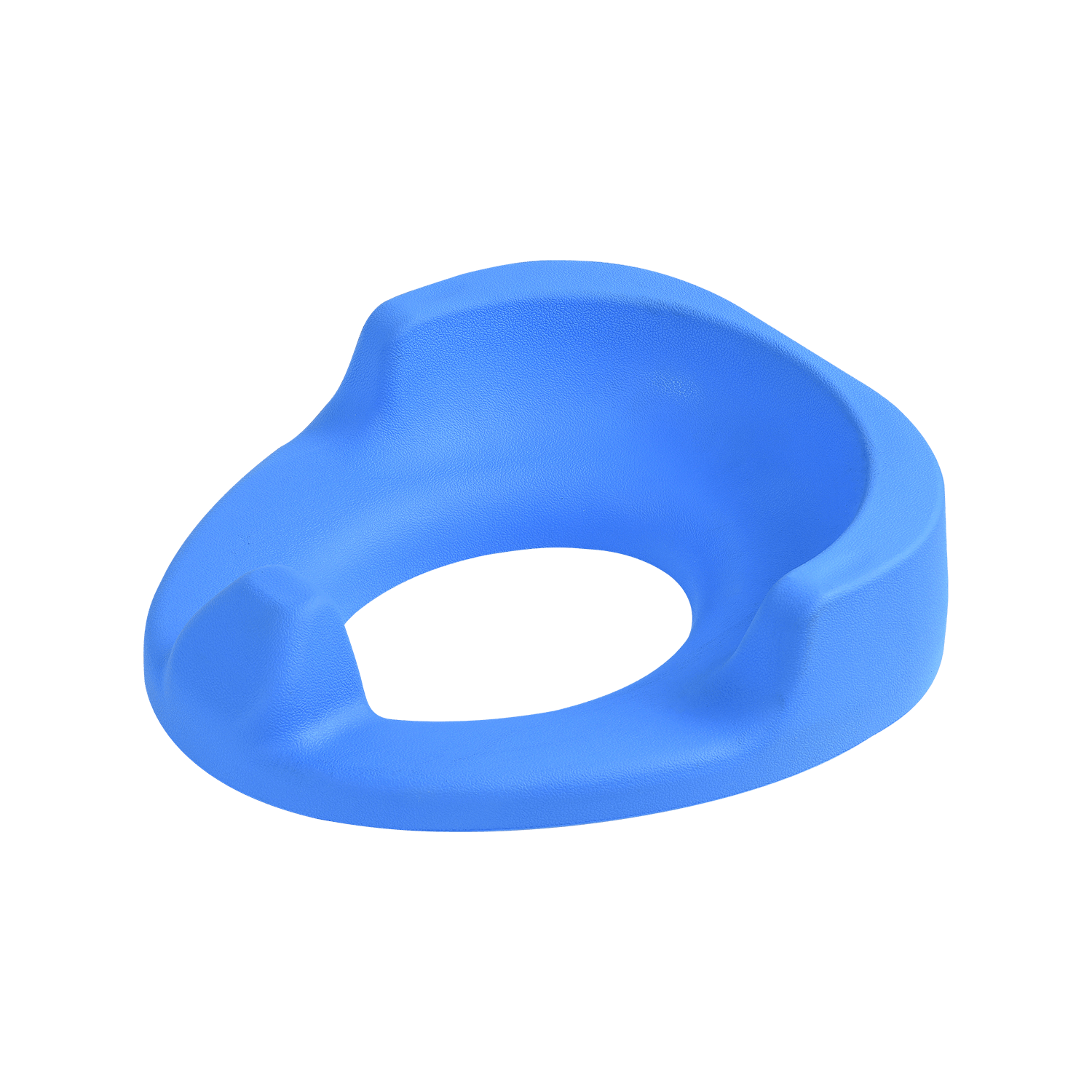
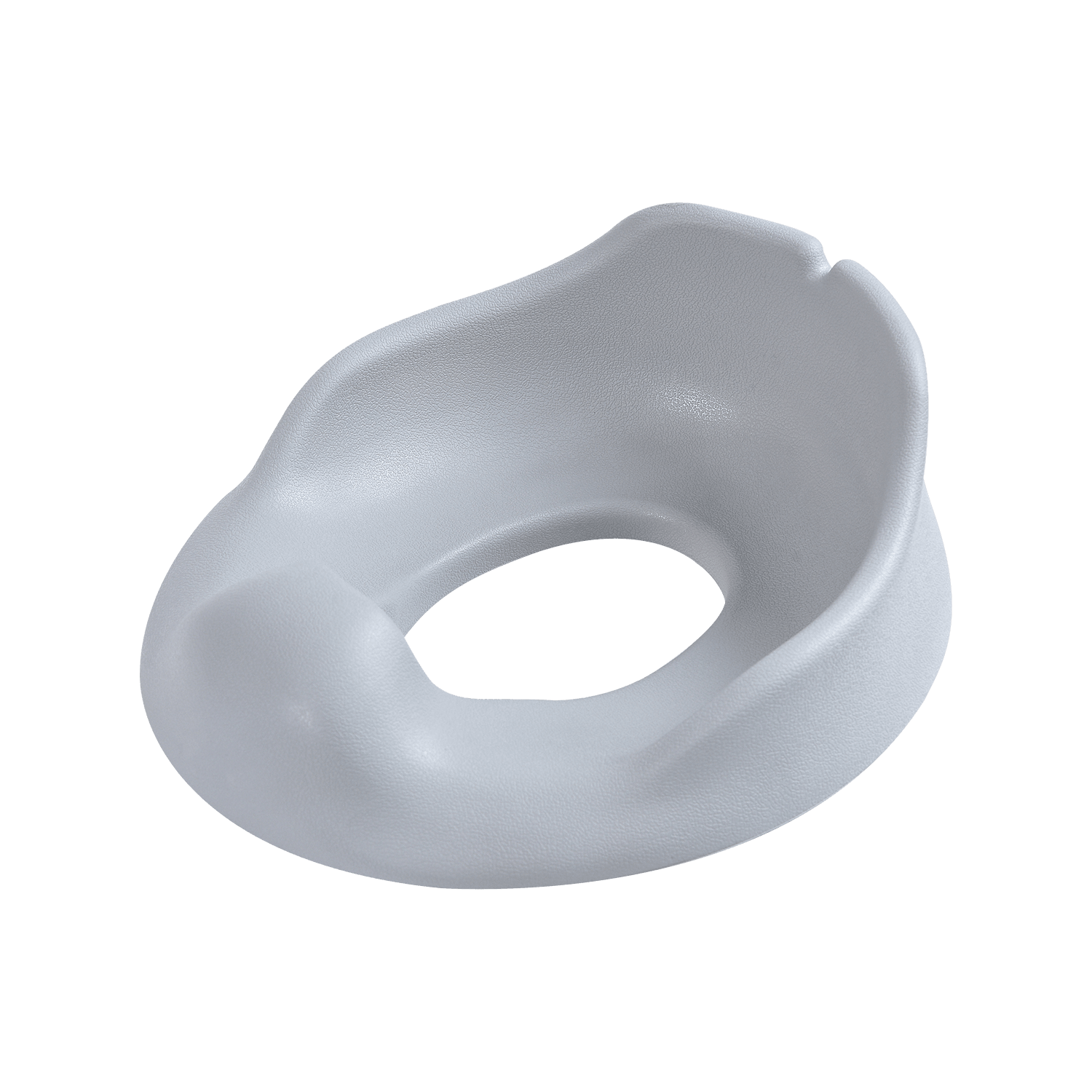
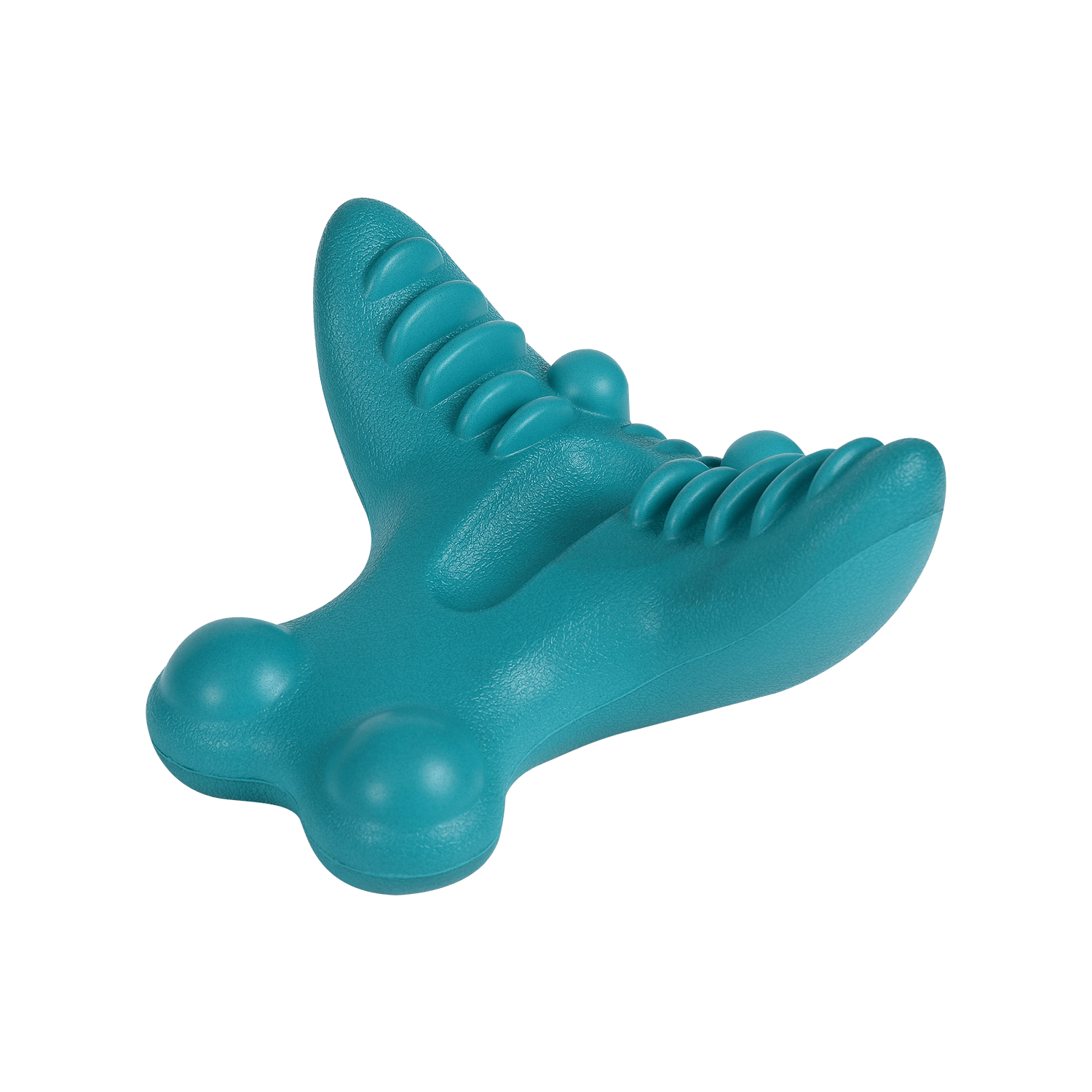
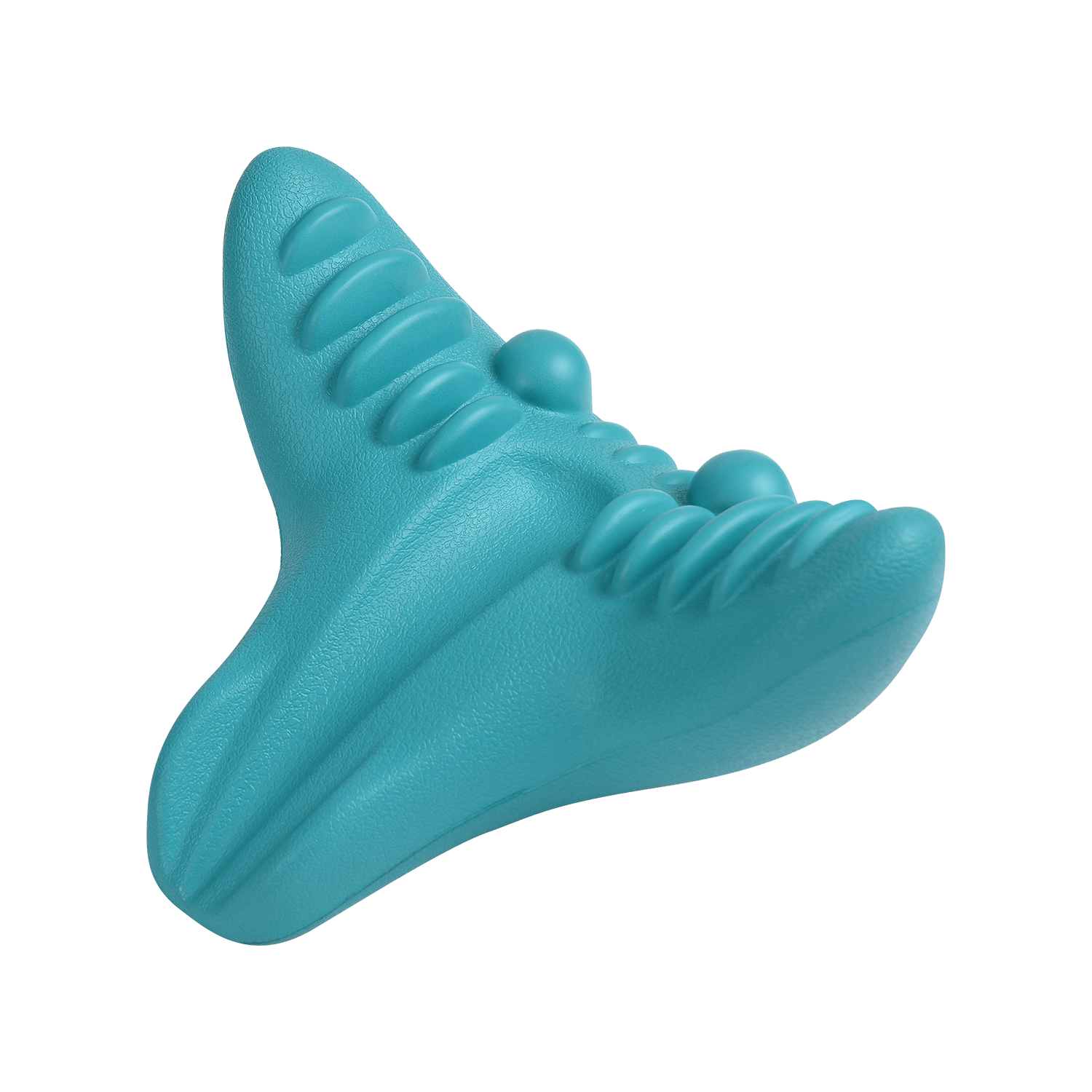
Baby Care and Development Products meet infants' diverse needs for skin protection, postural support, movement stimulation, and sensory stimulation through scientific material selection, structural design, and functional formulas. These core principles include:
1. Material Safety and Biocompatibility: Polyurethane molded foam, natural plant extracts, or medical-grade silicone that comply with national textile safety technical standards such as GB 31701-2015 are used to ensure they are non-irritating and non-toxic to infants' delicate skin.
2. Ergonomic Support: Ergonomically designed curves and support structures are based on infant skeletal and muscle development patterns to help infants maintain correct posture and promote natural spinal and joint development.
3. Functional Formulas: Hypoallergenic and non-irritating ingredients (e.g., fragrance-free, low pH, and preservative-free) are incorporated into skincare and diaper products. Their mildness is verified through skin permeability and moisturizing tests. 4. Multi-Scenario Applicability: The product line covers baby products, medical accessories, fatigue mats, vehicle accessories, and sports and fitness products. All products utilize a unified safety R&D system, ensuring consistent quality at every stage, from raw material development and formulation testing to mold design and manufacturing.
1. Raw Material Safety and Certification
Use raw materials that comply with GB 31701 (Technical Specification for Safety of Infant and Child Textile Products) and international safety standards such as OEKO-TEX and ASTM, ensuring that chemical composition, pH value, and heavy metal migration are within safe ranges.
For example, plant-based formulas (such as natural oils like camellia oil) have natural anti-inflammatory and moisturizing properties that can reduce the risk of skin irritation, often resulting in product promotional claims of "mild and non-irritating."
2. Allergen Testing
Use skin irritation and sensitization tests (such as human patch tests and TRUE-test) to verify the formula's compatibility with baby skin and ensure the absence of common allergen-causing ingredients (such as fragrances, dyes, and parabens).
3. Third-Party Test Report
Provide a test report issued by an authoritative organization, indicating that the product has passed specialized testing for non-irritation and hypoallergenicity. The report should clearly state the test methods, indicator limits, and the qualified conclusion.
4. Product Labeling and Instructions
Clearly label the product with terms such as "non-irritating formula," "hypoallergenic," and "suitable for sensitive skin" on the packaging or instructions, and provide an ingredient list for easy consumer verification.
5. Continuous Quality Control
We implement full-chain quality control throughout the production process, maintaining independent control from raw material procurement and formula development to mold design and manufacturing. This ensures consistent and safe formulations for each batch of product, a core competitive advantage of Ningbo Mianyang New Materials Co., Ltd.

NO.81 Chenxiaqiao Road, Ziling Village, Henghe Town, Cixi City, Zhejiang, China

Tel: +86 134-84224716

E-mail: [email protected]
Copyright © 2024 Ningbo Mianyang New Materials Co.,Ltd. All Rights Reserved. Custom Polyurethane Foam Molding Products Manufacturers privacy