


 西班牙语
西班牙语Industry News
Home / News / Industry News / What Makes Polyurethane Foam the Core Material Driving Modern Baby Care and Development Products?
Content
The global baby care products market is projected to grow from $84.6 billion in 2026 to $148.7 billion by 2036, representing a compound annual growth rate (CAGR) of 5.8% [^2^]. Within this expansion, care and development products built around polyurethane foam—including infant changing pads, potty training seats, memory foam pillows, and child study chairs—have emerged as the preferred choice for modern parents. These products deliver superior cushioning, waterproof and easy-clean properties, and ergonomic support. They not only fulfill basic daily care needs but also actively support infant bone development and motor skill progression through scientifically informed design, marking a functional evolution from basic caregiving to developmental support.
The widespread adoption of polyurethane foam in baby care is not accidental. It stems from a deep alignment between the material's physical characteristics and the physiological needs of infants:
According to research by Future Market Insights, 65% of parents prioritize organic certification or pediatrician-recommended products when selecting infant skincare items [^2^]. This consumer mindset extends directly to care equipment—parents increasingly demand material safety for anything that touches their baby's skin. Polyurethane foam addresses this demand through its capacity for medical-grade certification and integration of antimicrobial additives. The Asia-Pacific region, which holds 36.9% of the global market share [^4^], shows particularly elevated parental concern for material safety, accelerating the penetration of polyurethane-based products across Asian markets.
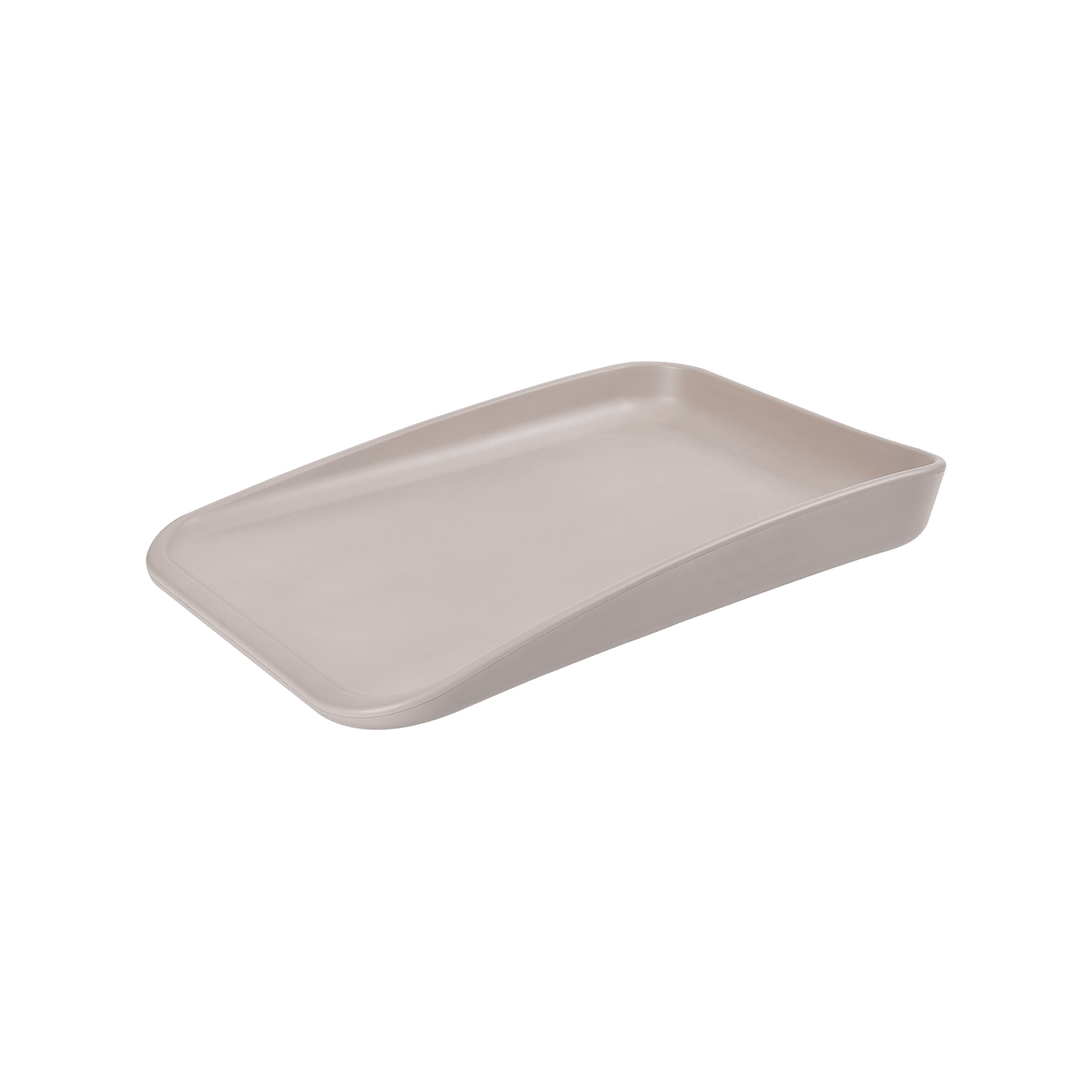
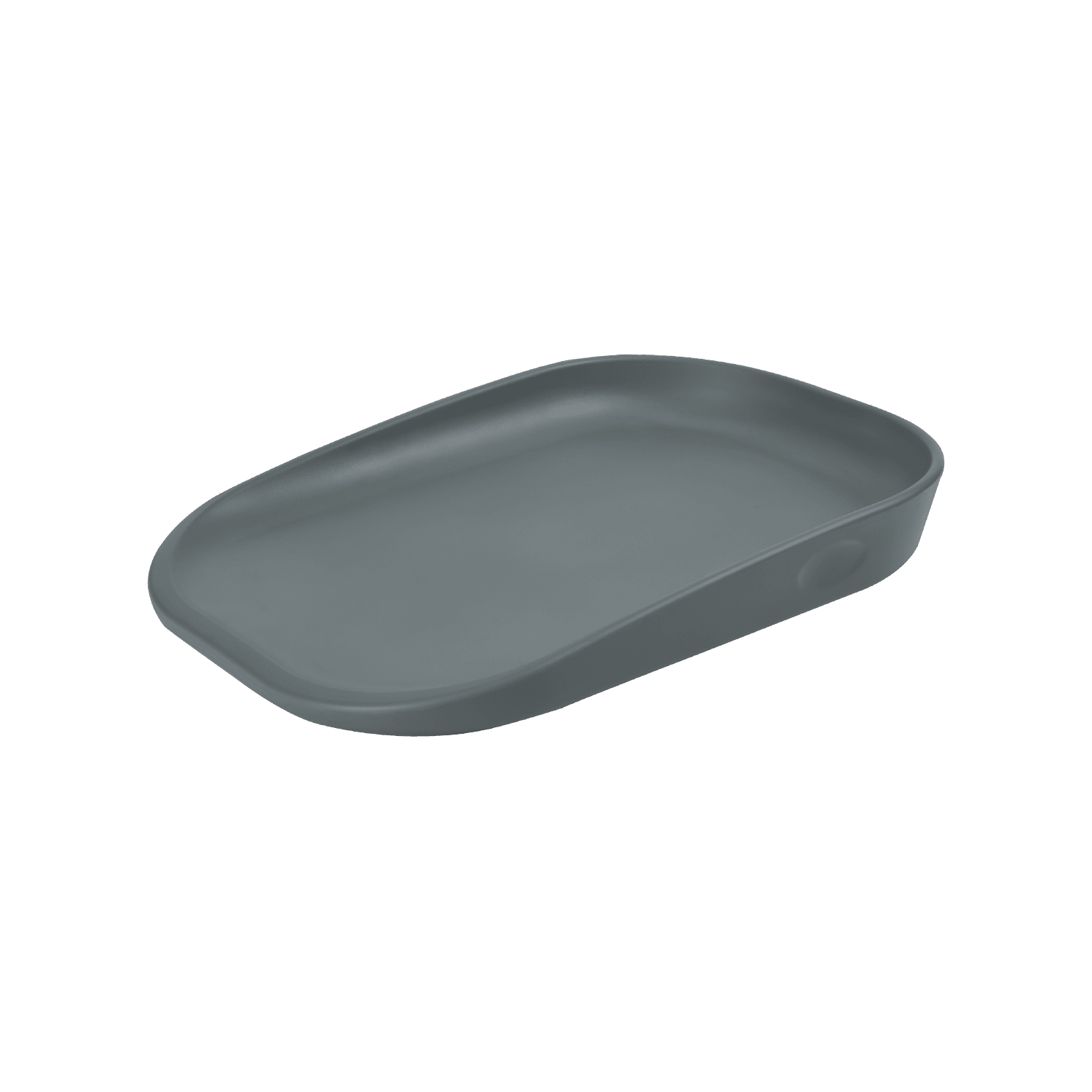
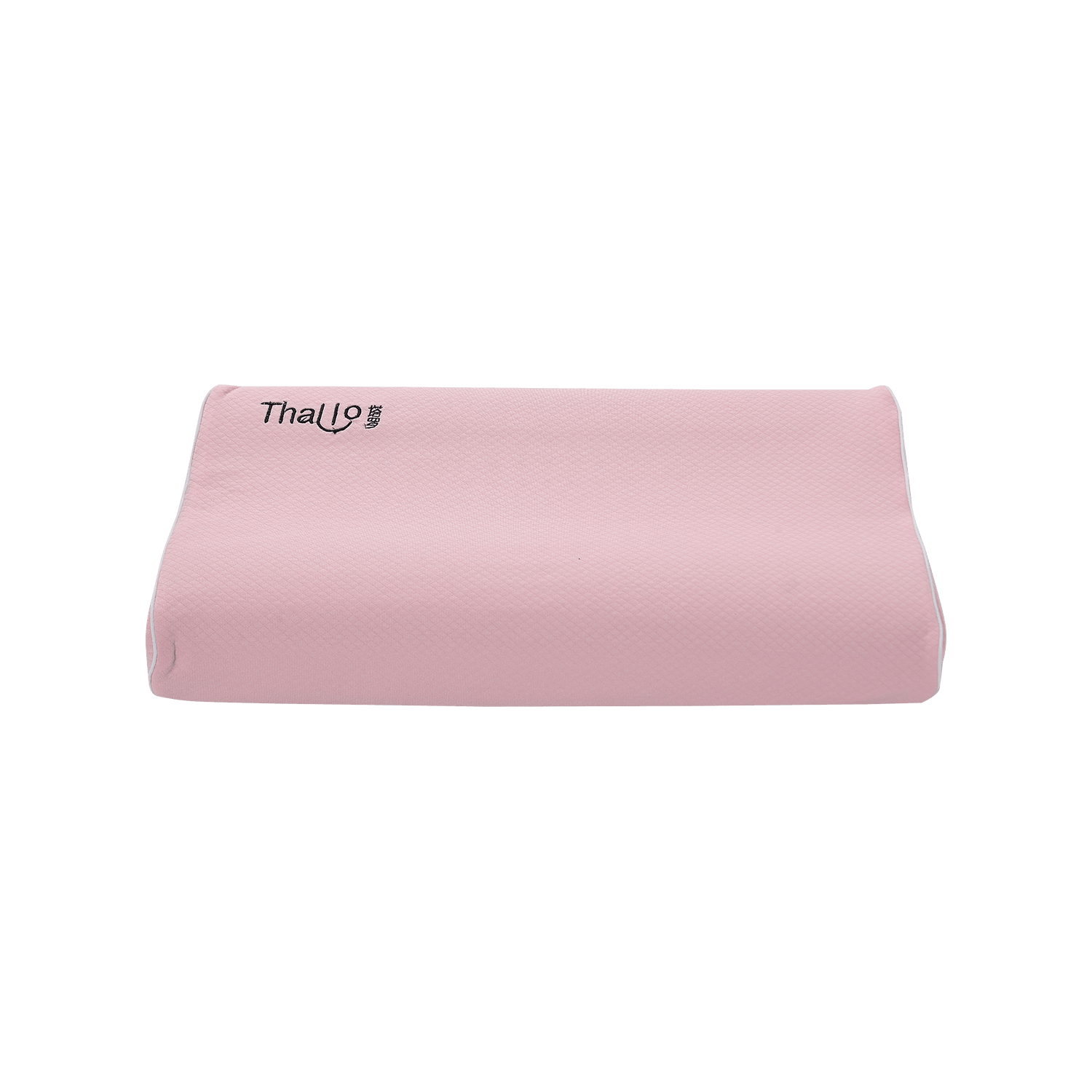
During the newborn phase, polyurethane foam is primarily used in changing pads and shaping pillows. Babies require 8 to 12 diaper changes per day, so pad materials must recover their shape instantly after each use. The slow-rebound characteristic of memory-grade polyurethane foam (typically 3–5 seconds recovery time) provides stable support when the infant lies down, reducing rollover and fall risks. Additionally, zone-based support designs in polyurethane shaping pillows use varying density regions to guide natural head rotation, helping to form a rounded head shape despite the softness of the infant skull.
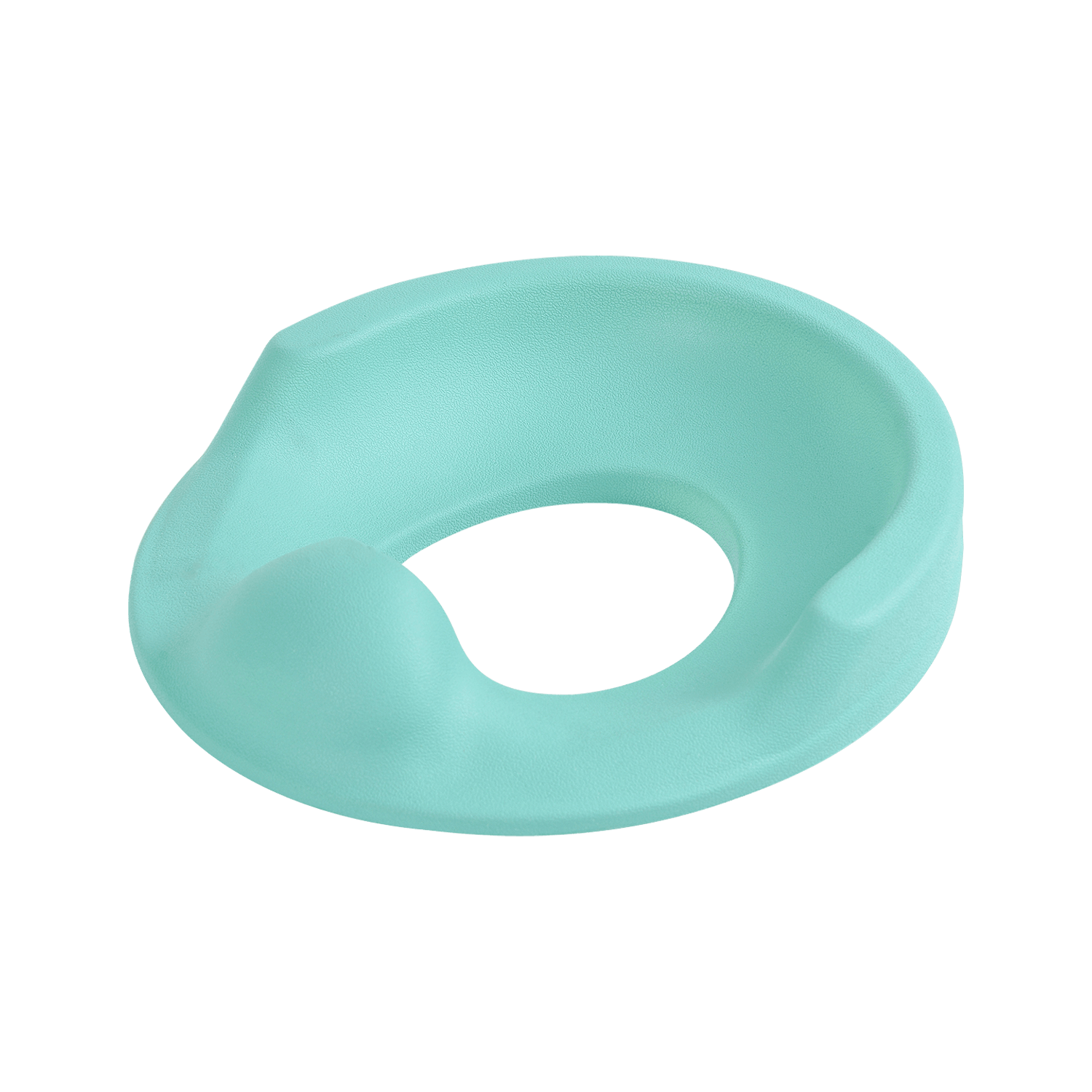
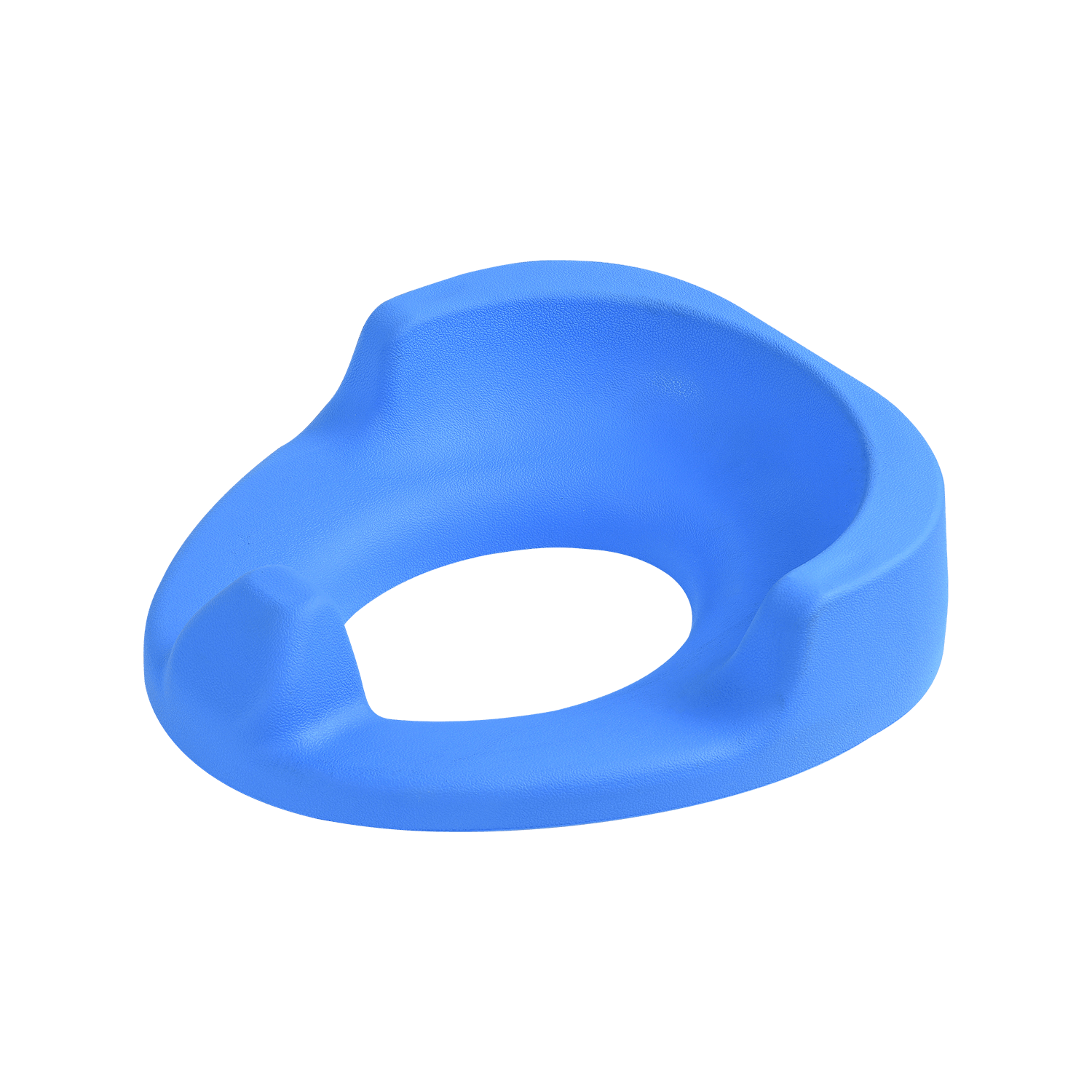
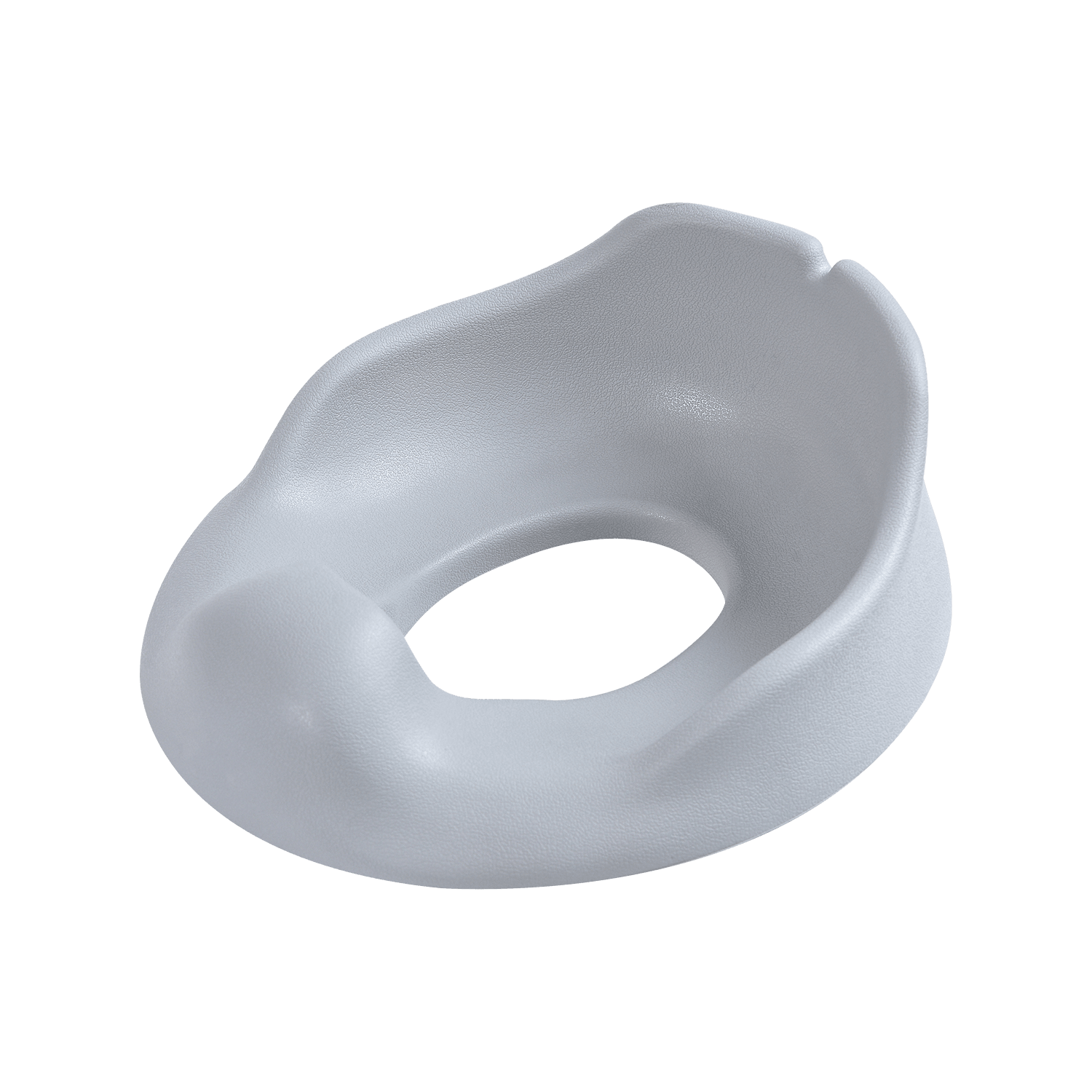
Potty training represents a critical developmental milestone. Polyurethane foam toilet seat reducers and training seats support this process through the following design elements:
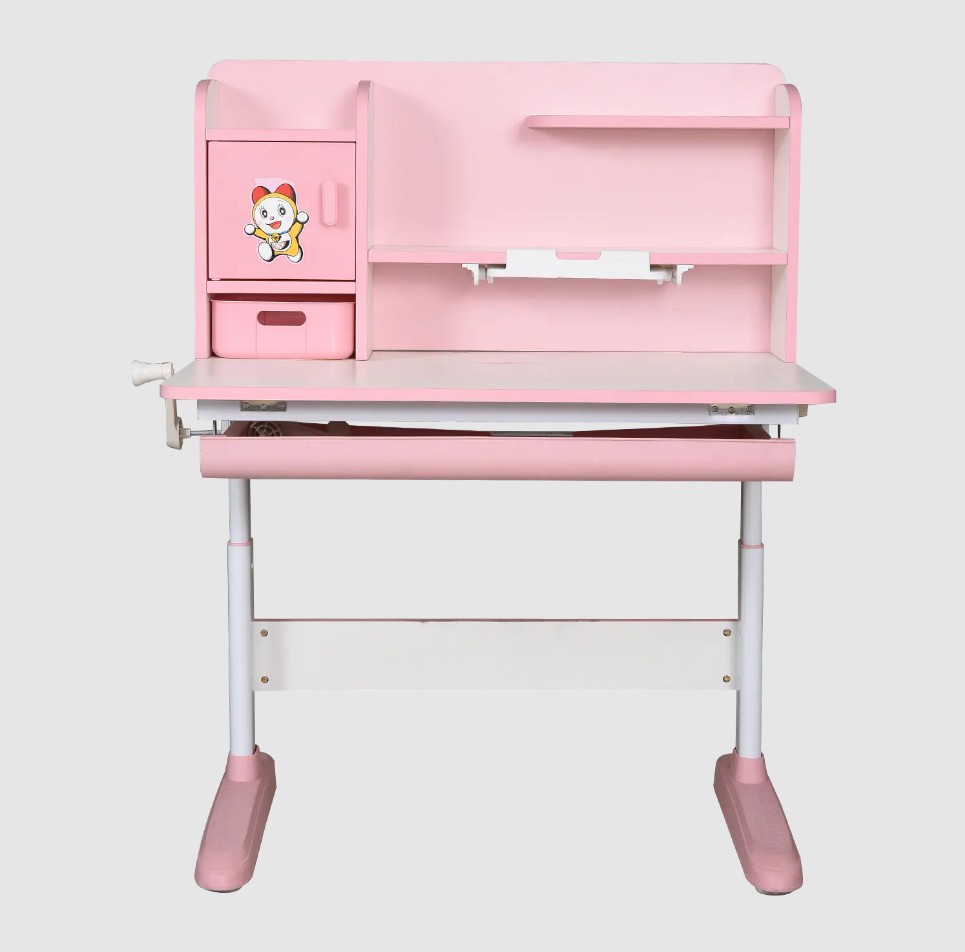
As children enter preschool, study chairs and lumbar support cushions become new application areas for polyurethane foam. The pediatric spine remains in a critical development phase before age six, and poor sitting posture can lead to scoliosis or kyphosis. Dual-backrest polyurethane study chairs use independently moving back panels to dynamically conform to the back curve, paired with adjustable seat height to ensure feet rest flat on the floor with knees at a 90-degree angle. Lumbar support cushions feature a central depression to distribute hip pressure, reducing sedentary fatigue and cultivating correct pelvic alignment.
| Age Group | Core Product Types | Developmental Focus | Key Material Properties |
|---|---|---|---|
| 0–12 Months | Changing pads, shaping pillows | Head shaping, spinal protection | Slow rebound, waterproof, hypoallergenic |
| 1–3 Years | Potty training seats, soft toilet seat reducers | Independence, toilet habits | Anti-slip, easy-clean, curved support |
| 3–6 Years | Study chairs, lumbar support cushions | Posture correction, spinal development | Zoned support, adjustable, breathable |
When purchasing, parents should prioritize verifying the following certification marks:
Notably, the 2026 global regulatory trend is moving toward "ingredient transparency," with mandatory raw material traceability labeling expected in the near future [^2^]. Selecting products with complete certification chains now effectively mitigates future compliance risks.
Excellent baby care products should feature a "grow-with-me" characteristic to reduce repeated purchase costs. Specifically:
For developmental support functions, parents should focus on specific design parameters rather than marketing language:
| Product Category | Key Metric | Recommended Parameter | Developmental Goal |
|---|---|---|---|
| Baby pillow | Height / depression depth | Center depression ≤2 cm | Maintain natural cervical curvature |
| Study chair | Seat height adjustment range | 30–50 cm | Match varying desk heights, ensure feet touch floor |
| Lumbar cushion | Hip support angle | Forward tilt 5–10 degrees | Maintain neutral pelvis, reduce lumbar pressure |
| Potty training seat | Seat opening width | 12–15 cm | Accommodate toddler hip circumference, prevent entrapment |
Based on global market dynamics and consumer behavior research, the baby care products industry is undergoing structural transformation. The following trends will further solidify the central role of polyurethane foam:
In 2026, "no sustainability, no purchase" has become a parental consensus [^3^]. Polyurethane foam manufacturers are accelerating the development of bio-based raw materials to replace petroleum-derived polyols and establishing product recycling and regeneration systems. Some leading companies have already achieved over 50% recycled material usage in packaging [^2^]. Future breakthroughs in chemical recycling technology for polyurethane foam itself will become a focal point of industry competition.
Shrinking urban living spaces are driving demand for "one item, multiple uses." For example, changing pads may convert into infant bathing pads, while study desks and chairs can adjust to become adult-usable furniture. This design philosophy requires polyurethane foam to offer a wider range of density modulation and structural durability.
The smart baby monitoring systems market is expected to exceed $2.5 billion in 2026 [^1^]. Future polyurethane foam products may integrate pressure sensors or temperature-sensing layers to monitor infant respiratory rate and skin temperature in real time, delivering data-driven caregiving while maintaining a soft touch.
Tropical regions such as Southeast Asia demand higher breathability and moisture resistance, while colder regions prioritize thermal retention. Polyurethane foam can achieve regional functional customization through pore-rate adjustment and the addition of phase-change materials (PCM), meeting differentiated needs across climate zones.
As cosmeceutical brands aggressively enter the baby care sector [^2^], polyurethane foam materials will face stricter skin microbiome compatibility testing. Future products may incorporate probiotic-friendly coatings to cultivate a skin-health-promoting microecological environment on the material surface, moving beyond simple sterility.
Baby care products have evolved from simple household items into integrated solutions combining materials science, ergonomics, and child developmental science. Polyurethane foam, with its tunable physical properties and safety compliance, serves as the critical medium bridging caregiving and developmental support. For parents, understanding the relationship between material characteristics and developmental stages is the foundation of informed purchasing. For the industry, within a massive market driven by 140 million newborns annually [^2^], continuous material innovation and functional integration remain the core path to long-term competitiveness. Over the next decade, as the global market advances toward $150 billion, polyurethane foam care products that successfully balance safety, functionality, and sustainability will inevitably dominate the market.

NO.81 Chenxiaqiao Road, Ziling Village, Henghe Town, Cixi City, Zhejiang, China

Tel: +86 134-84224716

E-mail: [email protected]
Copyright © 2024 Ningbo Mianyang New Materials Co.,Ltd. All Rights Reserved. Custom Polyurethane Foam Molding Products Manufacturers privacy