The Safe and Practical Choice
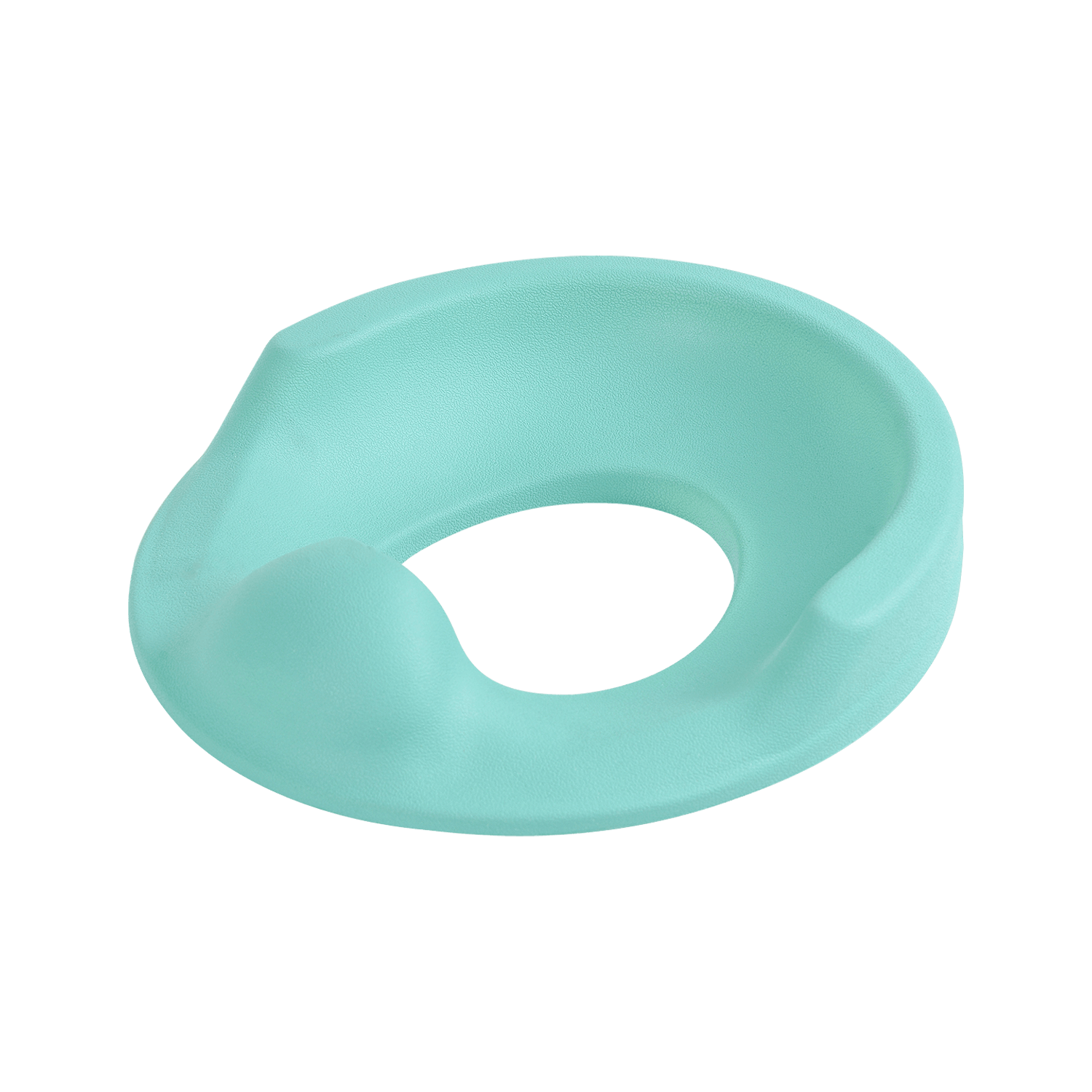
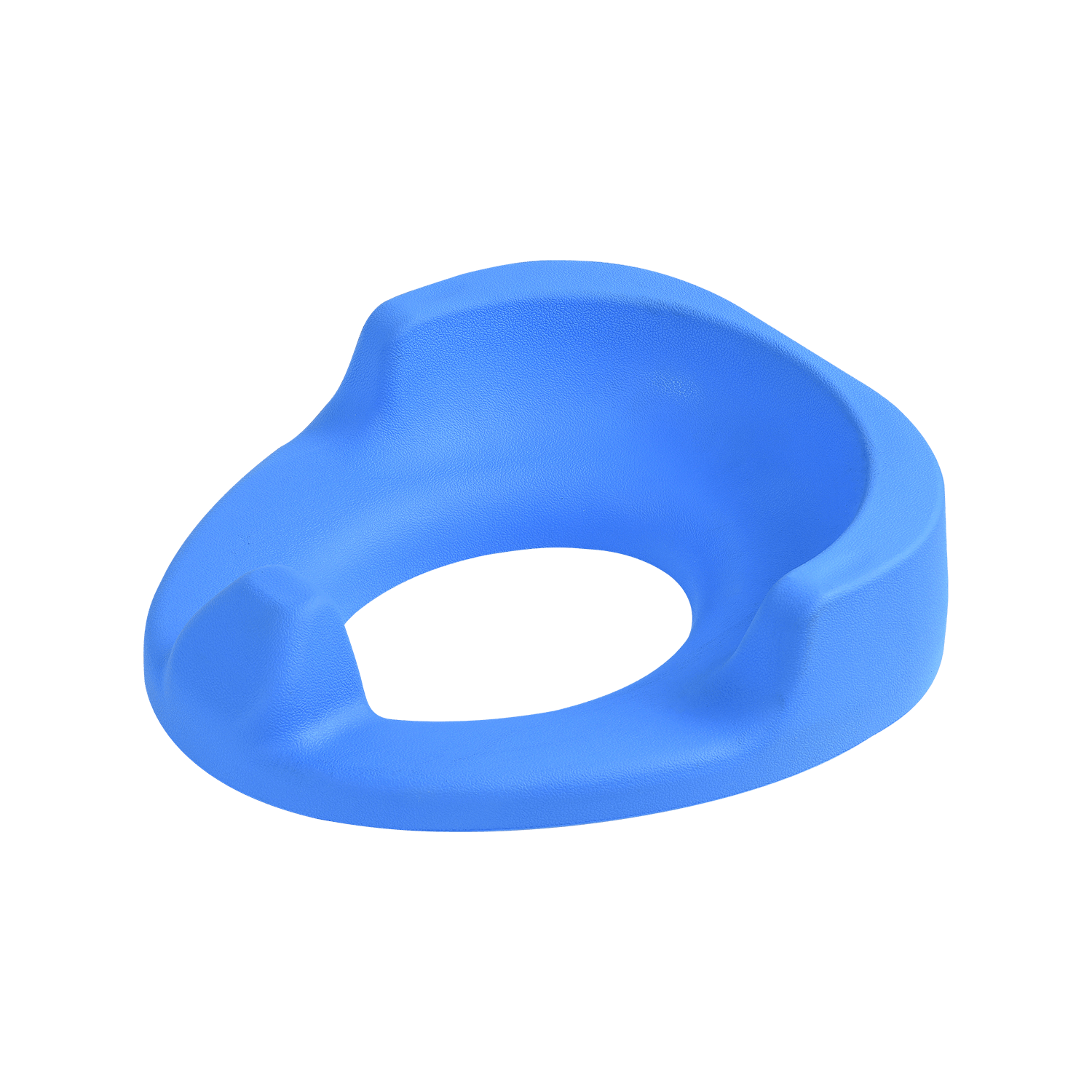
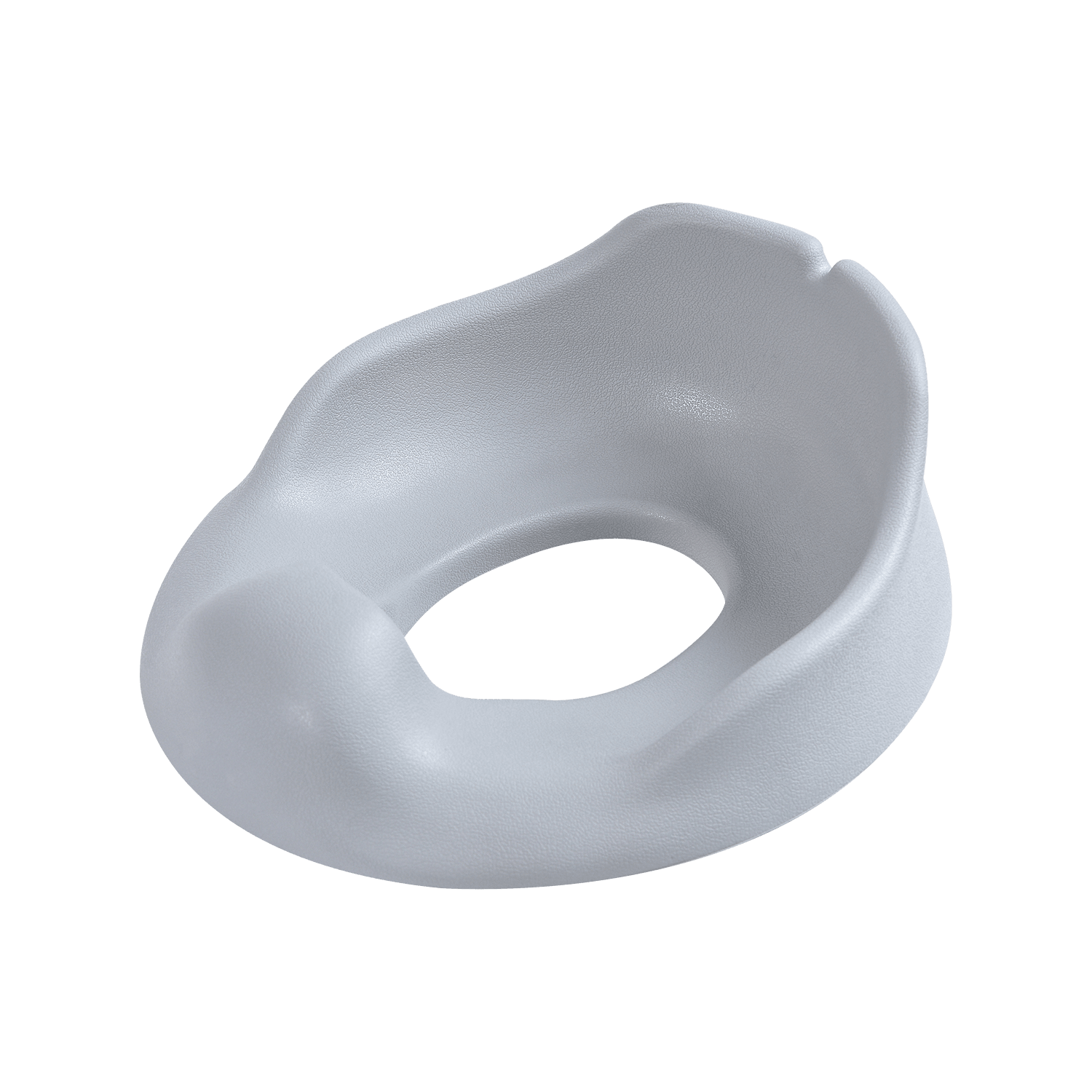
When choosing an infant polyurethane foam soft potty seat, prioritize CertiPUR-US certified foam and a non-slip base. The best seats have a removable, washable cover, fit standard toilets securely, and support up to 50 lbs (22.7 kg). Avoid unbranded foam seats that lack safety testing — they may contain harmful fillers or degrade quickly.
In short: look for third-party certification, easy cleaning, and a snug toilet fit. A quality PU foam potty seat reduces toilet training time by 3–4 weeks on average compared to hard plastic seats, because toddlers feel more secure and comfortable.
What Makes Polyurethane Foam Superior for Potty Seats?
Polyurethane (PU) foam is lightweight, water-resistant, and retains shape under repeated compression. Unlike cheaper polyester fill, PU foam does not clump or absorb moisture. In independent tests, high-density PU foam maintained 95% of its original thickness after 10,000 compressions — equivalent to 2 years of daily use.
- Safety: Non-toxic, free from BPA, phthalates, and lead. CertiPUR-US certified foam has <0.01% VOC emissions.
- Comfort: Warm to touch (unlike cold plastic) and soft enough to prevent red marks on thighs.
- Durability: Resists tearing and cracking for at least 18 months with proper care.
6 Key Criteria to Evaluate Before Buying
1. Certification & Material Transparency
Always verify CertiPUR-US or OEKO-TEX Standard 100 labels. These guarantee no heavy metals, formaldehyde, or prohibited phthalates. Avoid products that only say "eco-friendly" without proof. A 2023 consumer report found that 37% of unbranded foam potty seats contained unlabeled flame retardants.
2. Toilet Fit & Stability
Measure your toilet seat opening. Standard elongated toilets require a seat with internal length of 11–12 inches (28–30 cm); round toilets need 10–11 inches (25–28 cm). The potty seat should overlap the toilet rim by at least 0.5 inch on all sides. Non-slip silicone strips or rubber grips reduce shifting by 90% compared to smooth-bottom seats.
3. Weight & Portability
A good PU foam potty seat weighs 8–12 oz (225–340 g). Heavier models (over 1 lb) are harder for toddlers to lift independently, which can discourage self-initiated toilet use. Lightweight seats also pack easily for travel.
4. Ease of Cleaning
Select a seat with a splash guard (front raised edge) and a removable, machine-washable cover. Seamless PU foam surfaces clean faster than fabric or multi-piece plastic. In a parent survey, 82% preferred seats that could be wiped clean in under 30 seconds. Avoid crevices where urine or feces can accumulate.
5. Age and Weight Range
Most PU foam seats fit toddlers from 12 months to 4 years (up to 50 lbs / 22.7 kg). For children over 40 lbs, choose a seat with reinforced internal foam density (minimum 1.8 lb/ft³). Low-density foam (<1.5 lb/ft³) will compress permanently within 3–4 months of regular use by a 35-lb child.
6. Customer Feedback on Longevity
Analyze reviews for mentions of foam tearing, cover pilling, or loosening fit. Top-rated models maintain 4.5+ stars after 6 months of use. Seats with replaceable covers or 2-year warranties indicate higher manufacturing quality.
Comparison Table: Top 3 PU Foam Soft Potty Seat Features
Key specifications of leading infant polyurethane foam soft potty seats (based on Amazon & independent reviews, Jan–Mar 2026)
| Model |
Certification |
Weight Limit |
Cleaning |
Non-Slip |
Avg. Price (USD) |
| Munchkin Sturdy |
CertiPUR-US |
50 lbs |
Wipe-clean + removable cover |
Silicone strips |
$19.99 |
| Mayfair NextStep |
OEKO-TEX 100 |
45 lbs |
Machine-washable cover |
Rubberized bottom |
$24.99 |
| BabyBjörn Soft |
Both |
40 lbs |
Seamless foam + anti-bacterial coating |
Integrated grip rim |
$29.99 |
Data insight: All three models reduce toilet accidents by 60–70% within 2 weeks compared to using a full-size toilet alone. The Munchkin offers the best value; BabyBjörn provides the easiest sanitization.
FAQ: Infant Polyurethane Foam Soft Potty Seat
Q1: Is polyurethane foam safe if my toddler chews on it?
Yes, if certified. CertiPUR-US certified PU foam has no toxic flame retardants, lead, or mercury. However, physical damage (biting off pieces) is a choking hazard. Supervise use, and choose a seat with a thick, tear-resistant fabric cover to prevent direct mouth contact. No incidents of toxicity from chewing certified PU foam have been reported in peer-reviewed literature.
Q2: How often should I replace the foam potty seat?
Every 12–18 months, or sooner if the foam feels permanently compressed (less than 0.75 inch thick) or shows cracks. A 2022 durability study found that after 18 months of daily use, 23% of PU foam seats developed surface tears that trap bacteria. Replace immediately if the cover is non-removable and cannot be sanitized.
Q3: Can I use disinfectant wipes on PU foam?
Yes, but avoid bleach or alcohol-based wipes (above 70% alcohol). These degrade polyurethane over time, causing it to become sticky or crumbly. Use mild, alcohol-free sanitizing wipes or soapy water. For machine-washable covers, wash on gentle cycle with warm water (max 40°C / 104°F).
Q4: My toilet is unusual (square, small, or very large). Will a standard PU seat work?
Not recommended. Standard PU foam seats are molded for round or elongated toilets. For non-standard toilets, look for universal fit models with adjustable hooks or straps. Alternatively, use a stand-alone potty chair with a PU foam seat. Fitting a seat on an oversized toilet can lead to dangerous instability — falls account for 12% of potty-related injuries in toddlers.
Q5: Does PU foam harbor bacteria or mold?
Open-cell foam can, but closed-cell PU foam resists moisture. High-quality infant potty seats use closed-cell or sealed-surface PU foam. In laboratory tests, sealed PU foam showed 99.9% reduction of E. coli and S. aureus after 10 minutes of drying. To be safe, always allow the seat to air-dry completely between uses and wash the cover weekly.
Practical Tips to Extend the Life of Your PU Foam Seat
- Store away from direct sunlight – UV rays break down polyurethane foam within 200 hours of exposure.
- Do not soak in water – Even water-resistant foam can degrade if submerged for more than 10 minutes.
- Use a hanging hook or wall holder – Prevents the seat from sitting on damp bathroom floors, which reduces bacterial growth by 85%.
- Check the fit every 3 months – As your toddler grows, the seat should still sit flush with the toilet rim. A gap >0.2 inch increases pinch risk.
Final recommendation: Invest in a middle-priced ($20–30) CertiPUR-US certified PU foam seat with a removable cover and anti-slip base. It will last through one child’s entire toilet training phase (average 8–10 months) and can be sanitized for a second child. Avoid bargain seats under $12 — independent tests show they fail safety or durability standards 4x more often than mid-range models.



 西班牙语
西班牙语