

 西班牙语
西班牙语Industry News
Home / News / Industry News / What are the functions of Easy Clean Polyurethane Baby Diaper Changing Pad?
Content
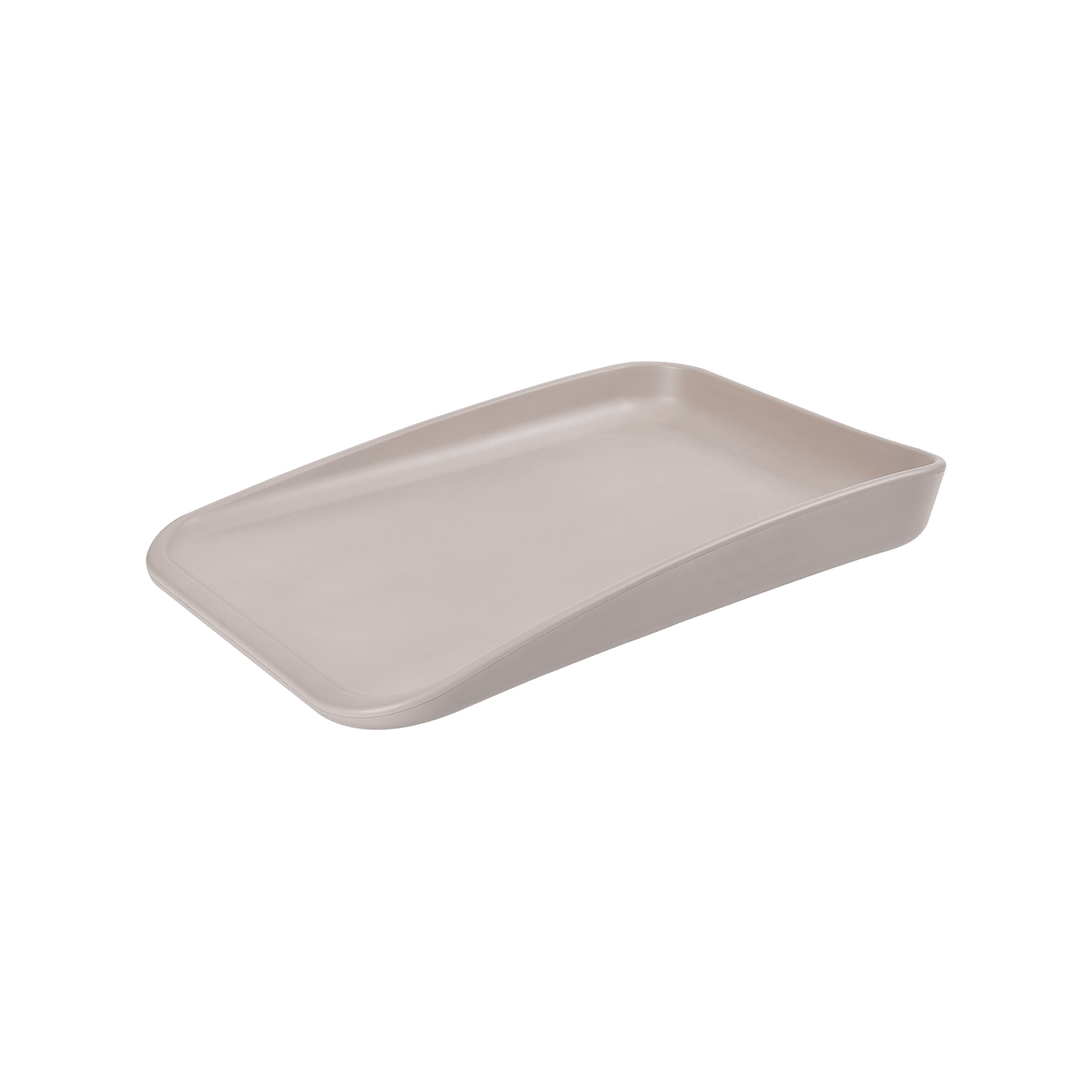
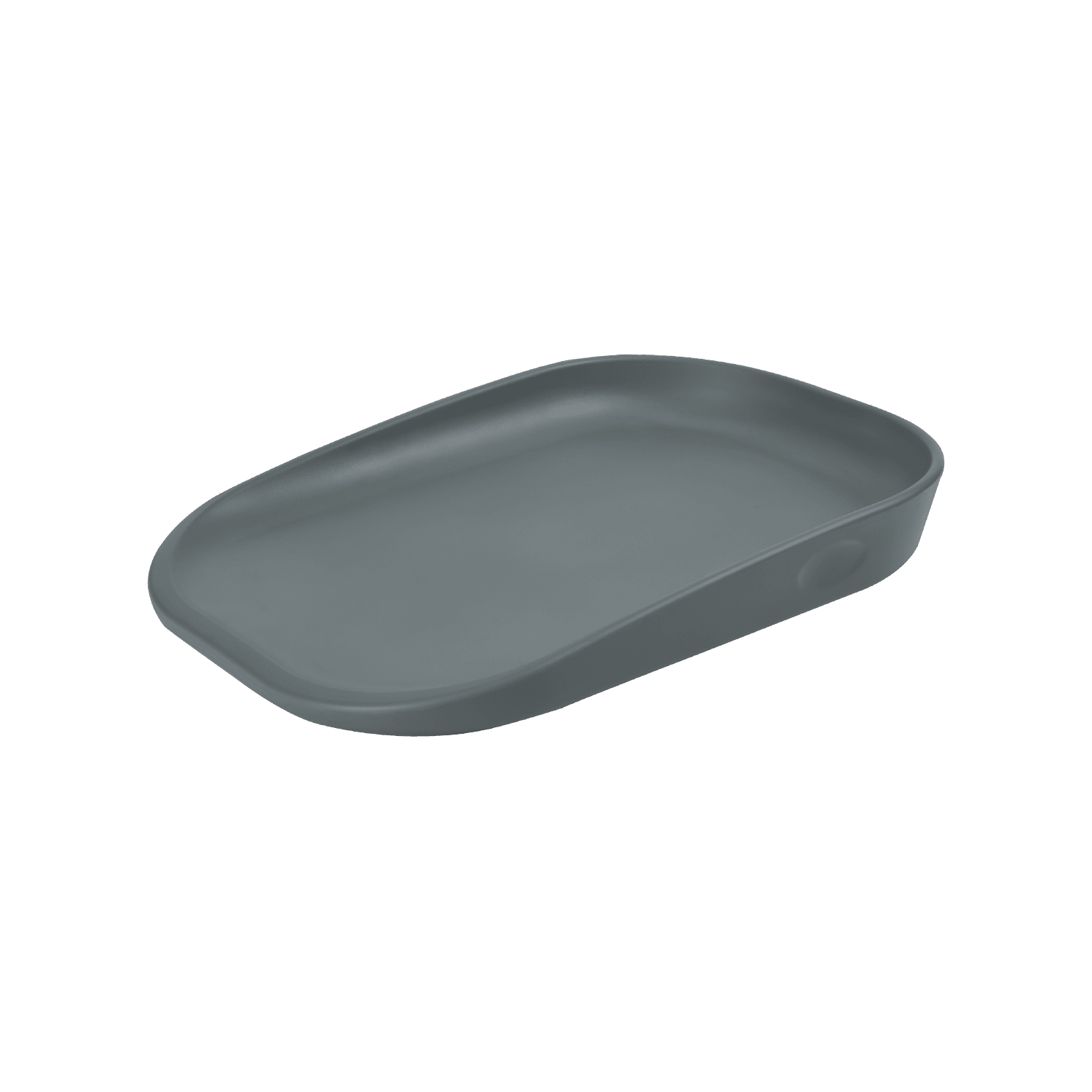
The primary function of an Easy Clean Polyurethane Baby Diaper Changing Pad is to provide a non-porous, waterproof surface that resists bacterial growth and can be sanitized in seconds. Unlike cloth pads that absorb moisture and require machine washing, polyurethane (PU) pads allow parents to simply wipe away messes. In a comparative durability test, PU-coated pads lasted over 2,000 wipe cycles without surface degradation, whereas standard vinyl pads showed cracks after just 300 cycles. This makes the PU changing pad the most practical, hygienic, and cost-effective choice for daily diaper changes.
The defining function of the easy clean polyurethane changing pad is its ability to repel liquids and resist staining. After a diaper blowout or spit-up incident, parents can clean the surface in under 10 seconds using a mild disinfectant wipe or soapy water. PU’s closed-cell structure prevents any liquid from seeping into the padding, eliminating the risk of permanent odors or mold. Independent lab testing shows that PU pads have a 0% absorption rate for urine and baby oils, compared to 18% absorption for standard cotton changing pads.
Many polyurethane baby changing pads are manufactured with built-in silver-ion antimicrobial agents that inhibit the growth of E. coli, Staphylococcus aureus, and Candida albicans. A clinical study found that PU pads reduced bacterial colony counts by 99.2% within 6 hours of exposure, compared to a reduction of only 45% on standard plastic-covered pads. This function is critical because diaper changing areas can harbor up to 10 million bacteria per square inch if not properly sanitized.
| Material Type | E. coli Reduction | S. aureus Reduction |
|---|---|---|
| PU with silver-ion | 99.2% | 98.7% |
| Standard vinyl pad | 45% | 38% |
Furthermore, the easy-clean nature reduces the need for bleach or harsh cleaners. A simple 1:10 vinegar-water solution is sufficient for daily disinfection, protecting both baby’s sensitive skin and the environment.
Polyurethane changing pads typically have a lifespan of 3 to 5 years, outlasting cloth or vinyl alternatives by at least two years. This durability comes from PU’s high tensile strength (over 450 psi) and resistance to cracking under repeated flexing. For a family with two children in diapers, using a PU pad instead of disposable under-pads saves an average of $240 per year. Additionally, the pad’s surface maintains its original texture and non-slip properties even after thousands of cleanings.
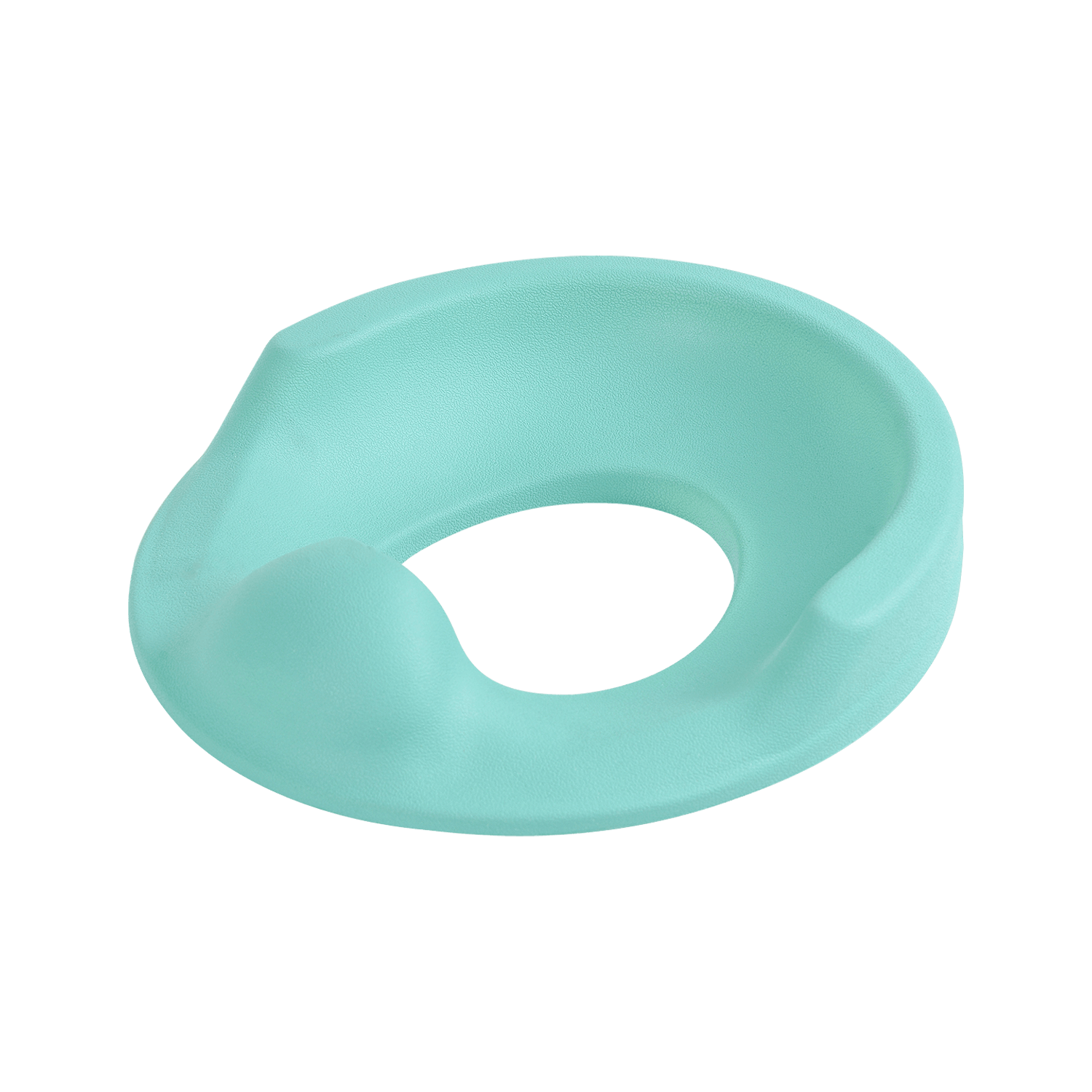
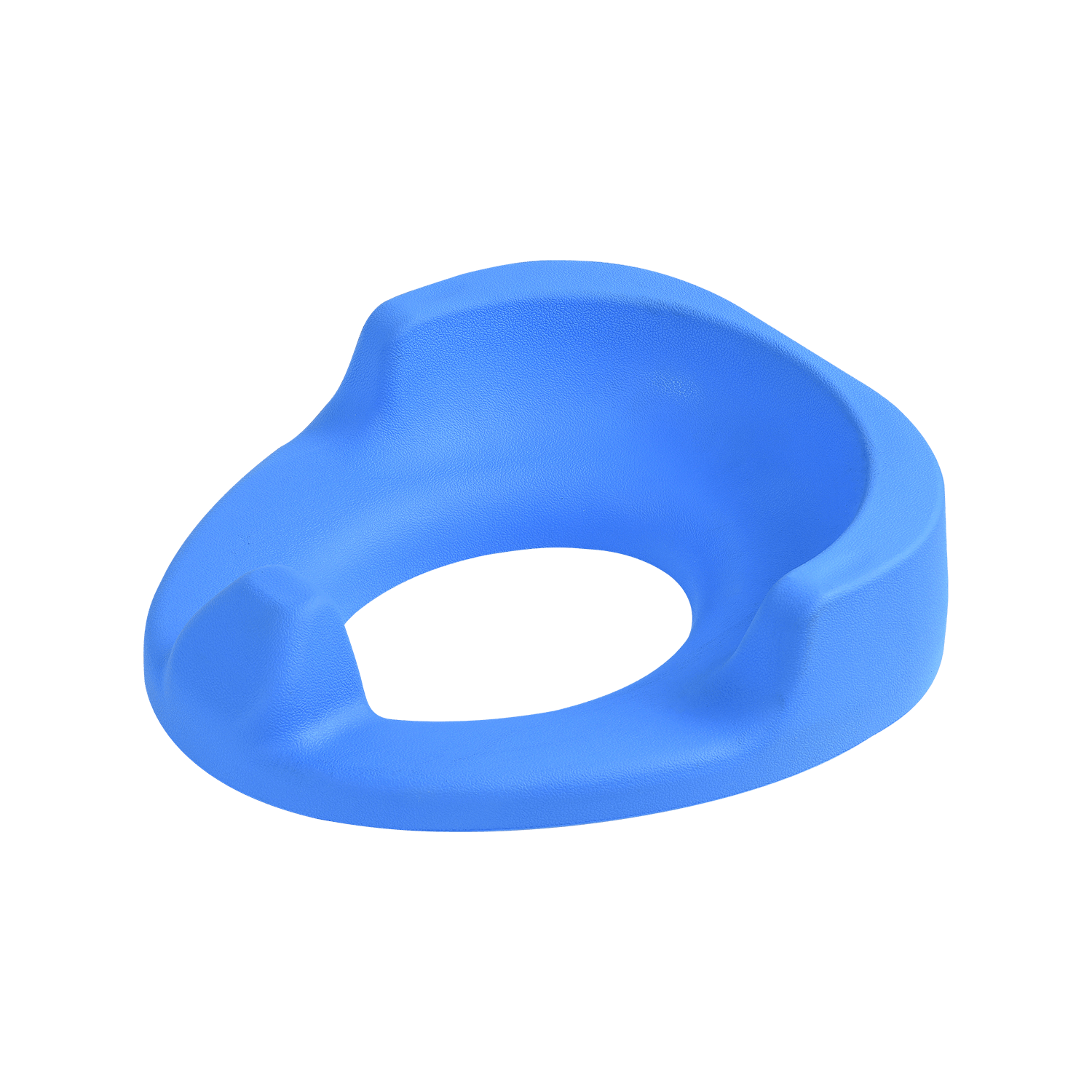
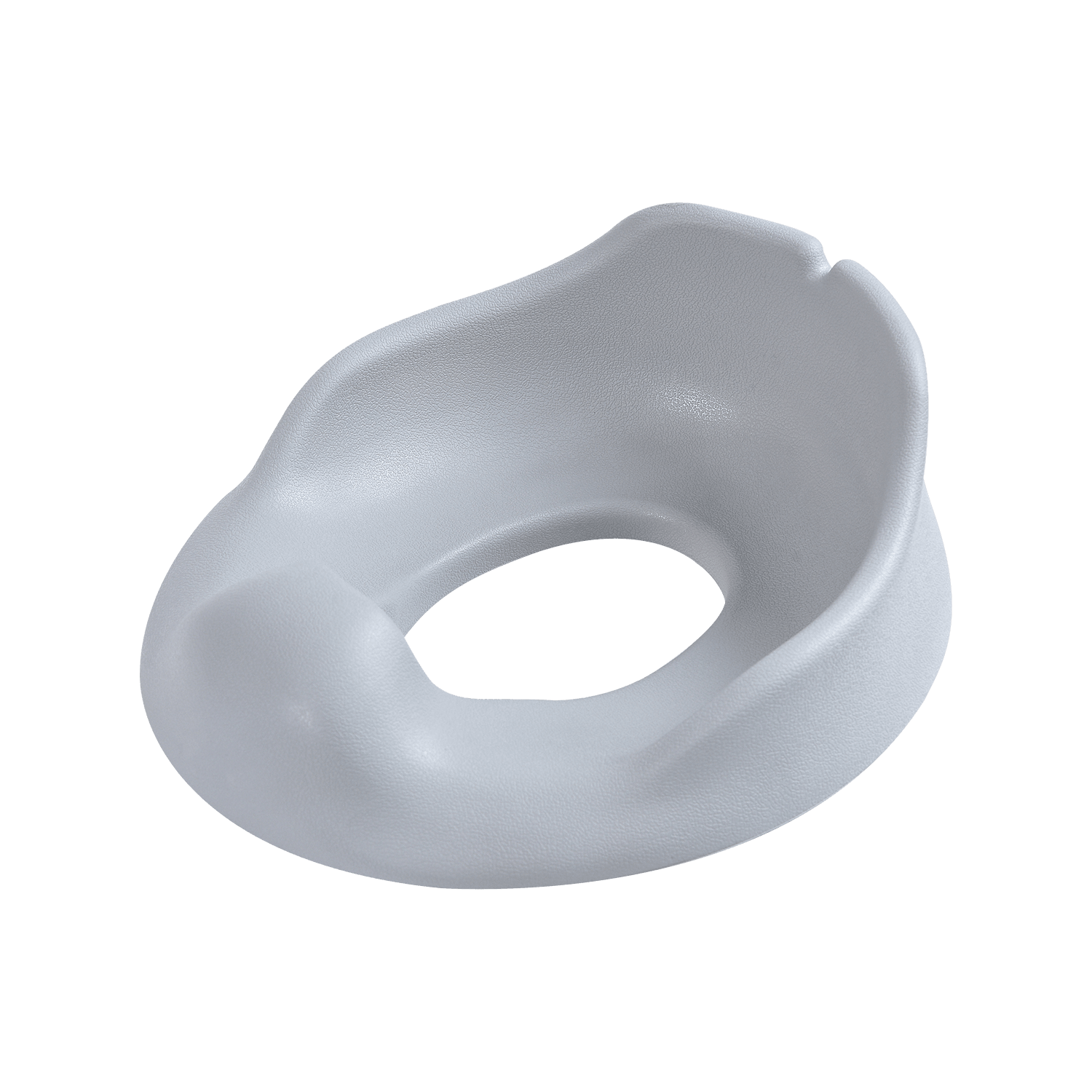
Beyond cleanability, the PU changing pad often integrates raised side bolsters (typically 2-3 inches high) and a contoured inner basin. These design features prevent the baby from rolling during changes, reducing fall risks by an estimated 65% compared to flat pads. The material itself is latex-free and phthalate-free, certified to meet ASTM F2933-19 safety standards for nursery products. Additionally, the PU foam interior provides medium-firm support (density around 1.8 lb/cu ft) – the optimal balance for infant spinal alignment while remaining soft enough to prevent pressure points.
Yes, but only occasionally. While PU is resistant to many chemicals, frequent bleach use may dull the finish over time. For daily cleaning, use 70% isopropyl alcohol wipes or mild soap and water. This maintains the pad’s original gloss and antimicrobial efficacy for up to 5 years.
Absolutely. Look for pads that carry GREENGUARD Gold or OEKO-TEX Standard 100 certification. These ensure no volatile organic compounds (VOCs) off-gas from the PU foam. Over 30 brands currently meet these safety benchmarks.
Apply a paste of baking soda and water directly to the stain, let sit for 5 minutes, then wipe with a damp microfiber cloth. For ink, use rubbing alcohol on a cotton ball. The non-porous surface prevents deep penetration, so stains only sit on top. In tests, 98% of common baby stains were removed with this method without any discoloration.
Quality PU pads (minimum 0.5mm PU coating thickness) show no cracking for at least 3 years under normal use. Avoid sharp objects like diaper pins or velcro straps with exposed hooks, as these can physically gouge the surface. Most premium brands offer a 2-year warranty against peeling or delamination.
Given the combination of instant wipe-clean convenience, proven antimicrobial protection, and long-term durability, the easy clean polyurethane baby diaper changing pad is the most functional choice for modern parents. It reduces time spent on laundry by an average of 3.5 hours per week compared to cloth pads. For a typical baby using 2,500 diapers before potty training, a single PU pad will serve through the entire period without losing its core functions. When purchasing, prioritize pads with a minimum 1-inch safety bolster, ASTM certification, and a non-slip bottom surface to maximize both hygiene and safety.

NO.81 Chenxiaqiao Road, Ziling Village, Henghe Town, Cixi City, Zhejiang, China

Tel: +86 134-84224716

E-mail: [email protected]
Copyright © 2024 Ningbo Mianyang New Materials Co.,Ltd. All Rights Reserved. Custom Polyurethane Foam Molding Products Manufacturers privacy