Direct Answer: The Core Purpose of Baby Care Products
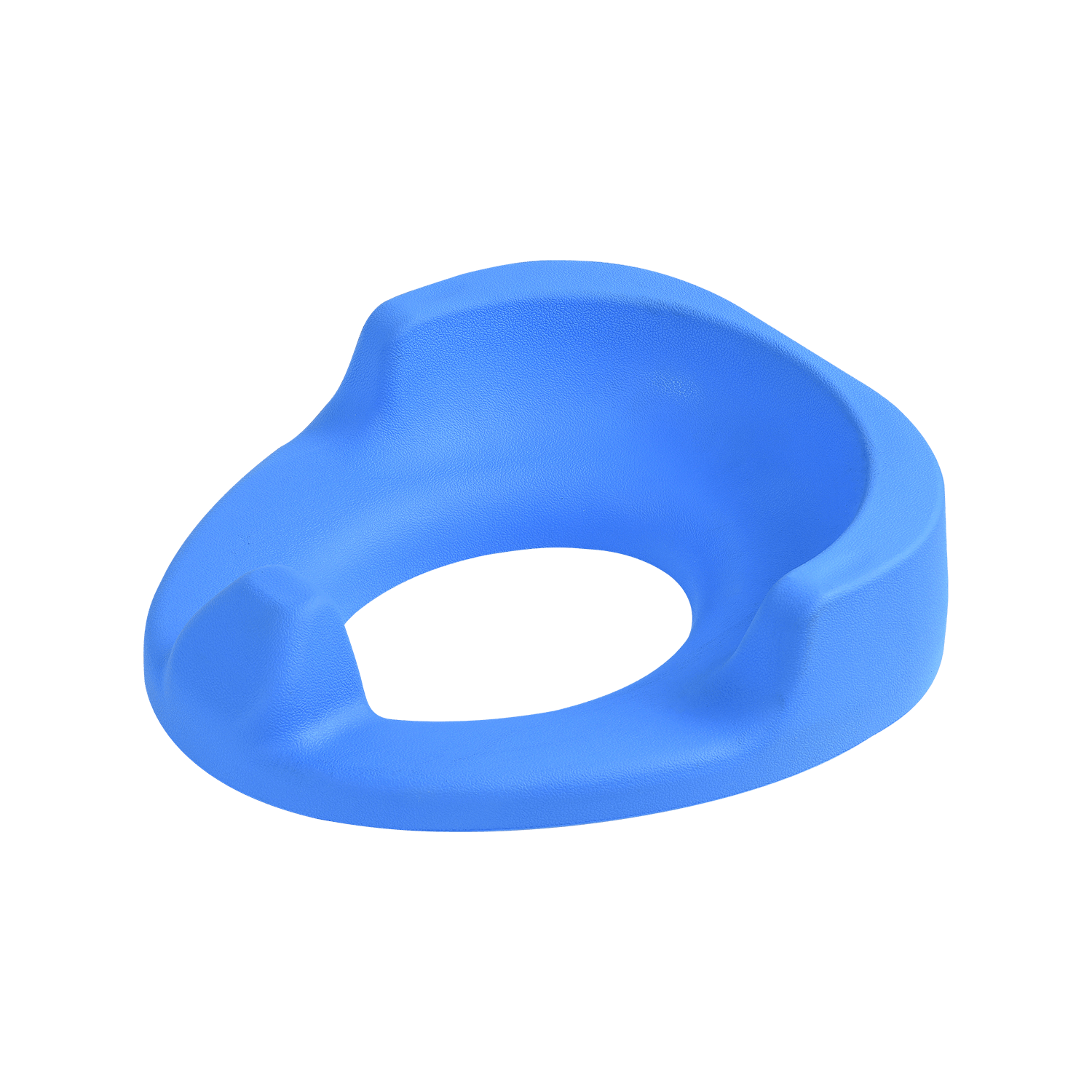
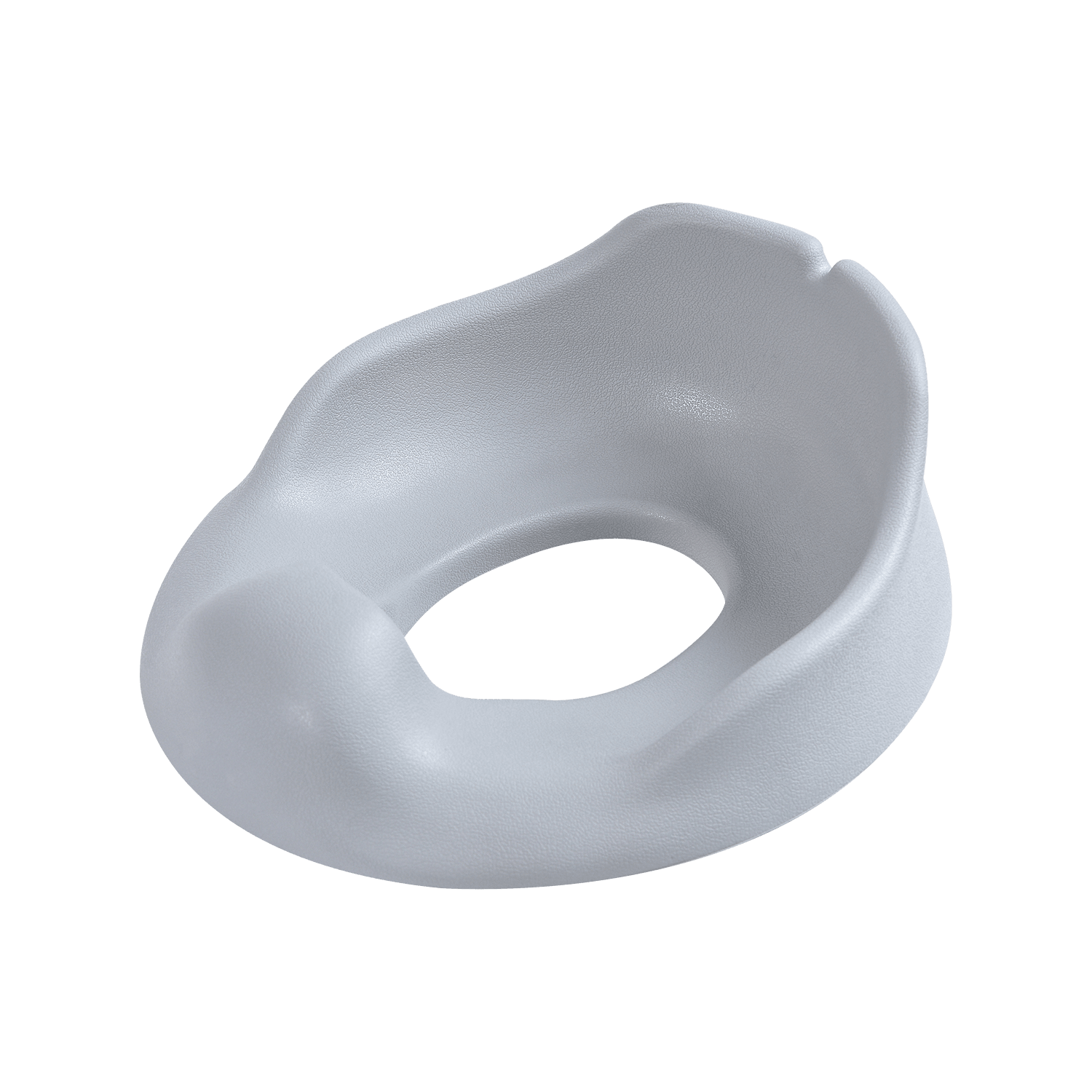
Baby care and development products are specifically designed tools that serve two primary functions: ensuring the immediate health, hygiene, and safety of the infant while simultaneously stimulating physical, cognitive, and emotional growth. These range from PU foam changing pads that provide a safe, clean surface for diaper changes to sensory toys that build neural connections. Manufacturers like Ningbo Mianyang New Materials Co., Ltd., a specialized PU baby care products factory since 1992, exemplify how material science (like polyurethane foam) is leveraged to create products that are both comfortable for the baby and practical for the caregiver.
Hygiene and Safety: The Protective Shield
The most fundamental use of baby care products is to create a barrier against germs and physical harm. A baby's immune system is immature, making hygiene products non-negotiable. For instance, using a dedicated changing pad reduces the baby's exposure to bacteria on dressers or beds. Studies indicate that using a clean, wipeable changing surface can reduce the spread of common pathogens like E. coli by up to 99% when properly sanitized.
Key Products in This Category:
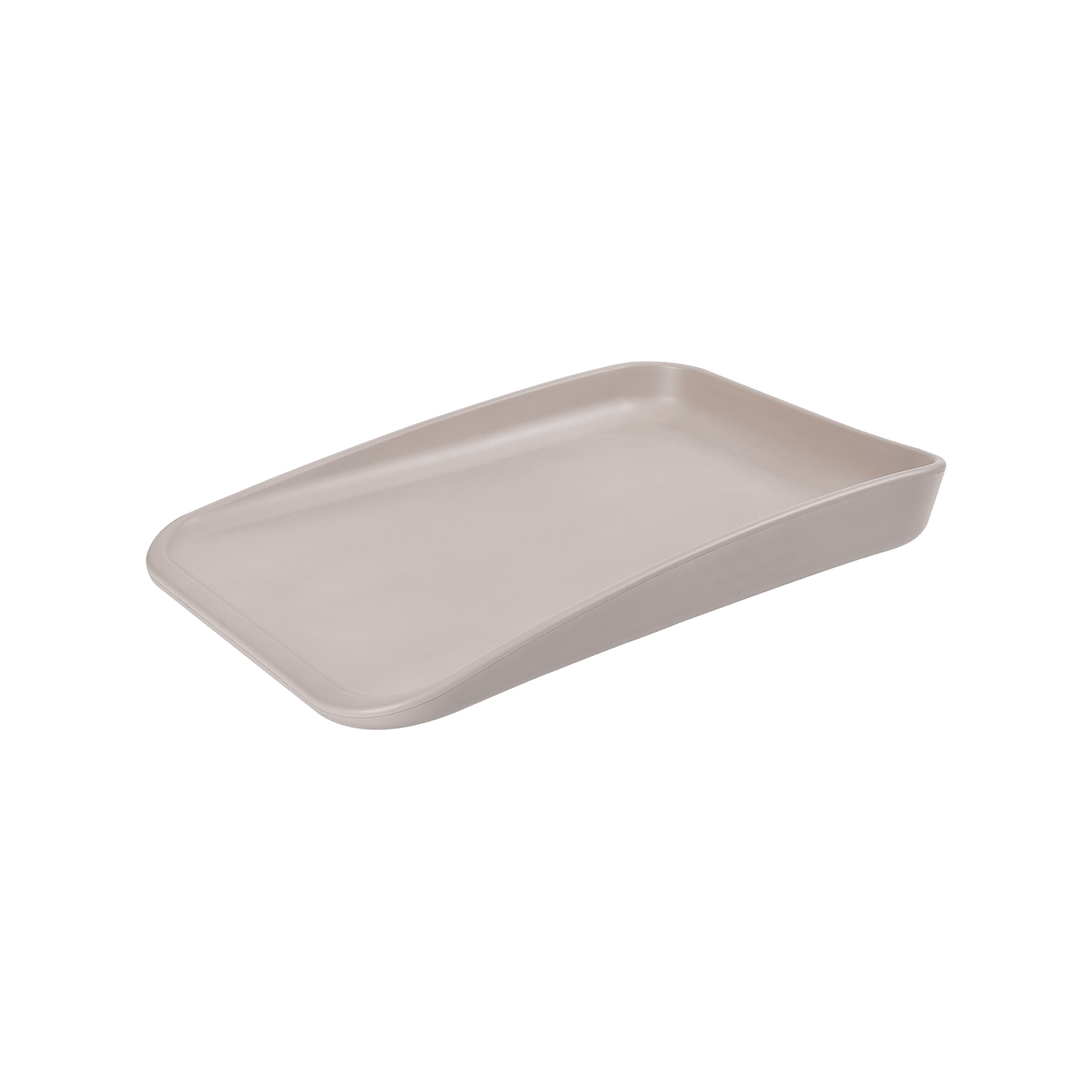
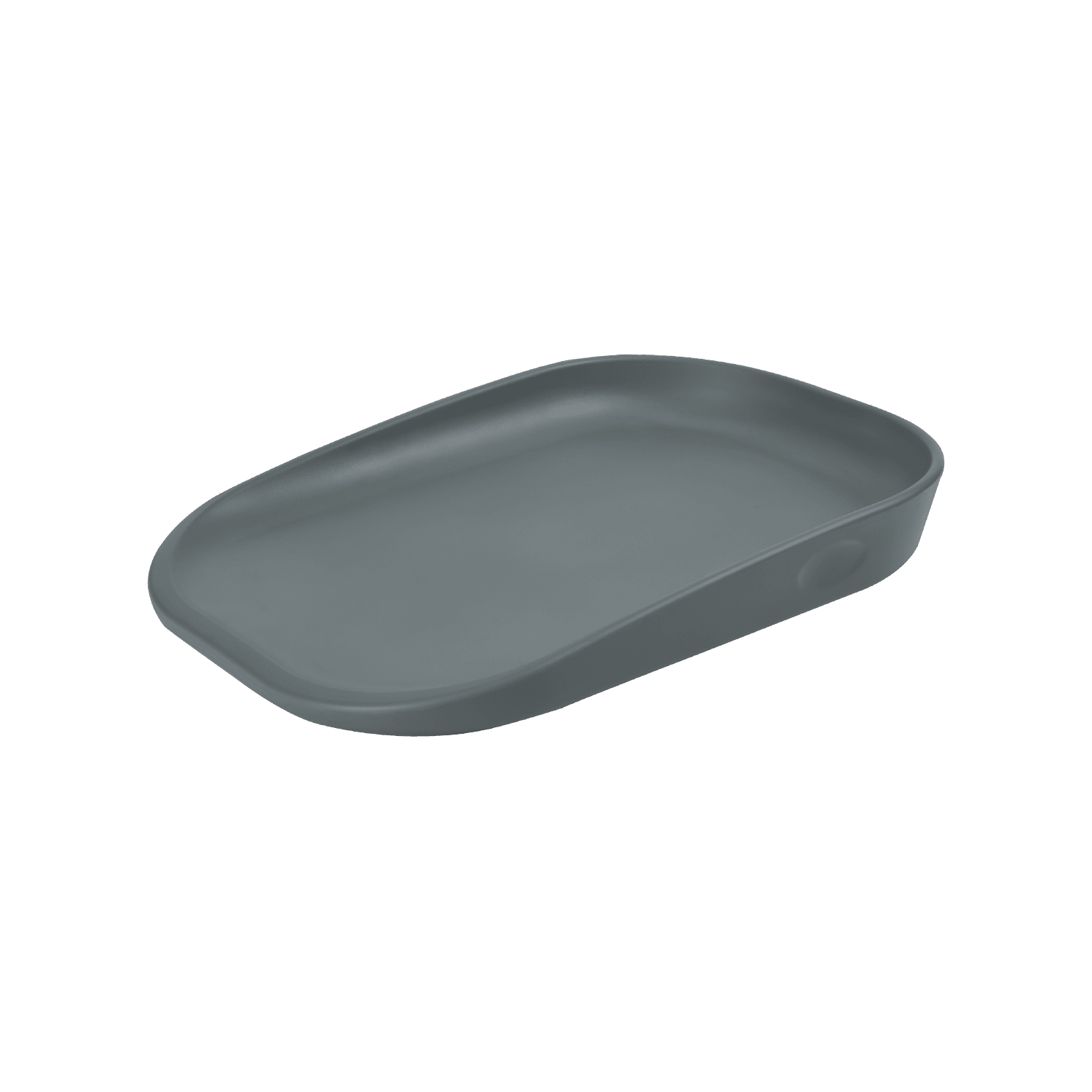
- PU Foam Changing Pads: Water-resistant, easy to clean, and provide a firm, safe surface for diaper changes.
- Digital Thermometers: Essential for accurately monitoring fever, with infrared models providing results in under 2 seconds.
- Nasal Aspirators: Help clear congestion, allowing babies to breathe and feed properly.
Comfort and Soothing: The Foundation of Security
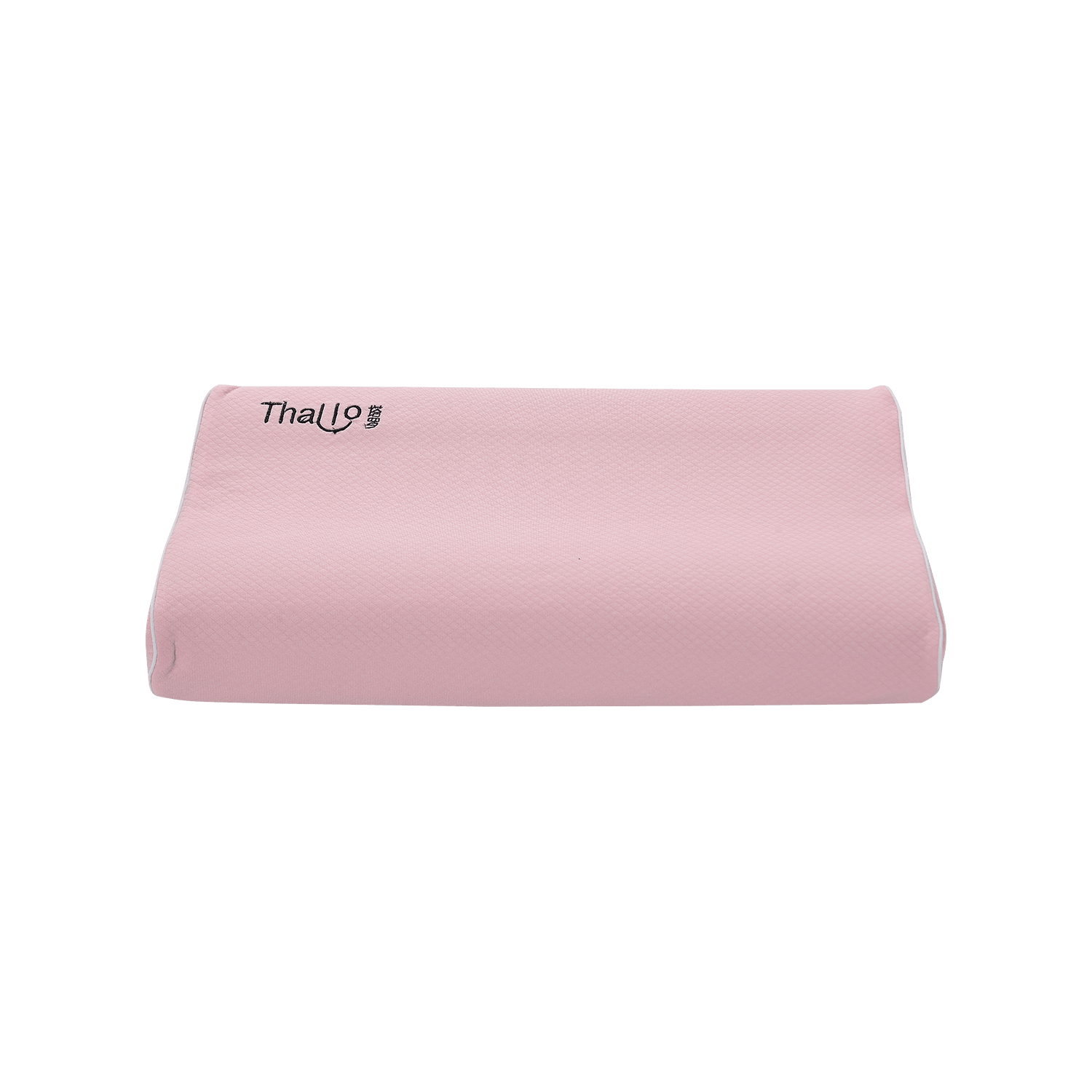
Comfort products are vital for regulating a baby's emotions and sleep. The right materials can prevent skin irritation and provide the physical security infants crave. High-resilience polyurethane foam, like that produced by Mianyang, is often used in nursing pillows and mattresses because it offers the perfect balance of support and softness, reducing the risk of flat head syndrome (plagiocephaly) while ensuring comfort.
Examples of Comfort-Driven Design:
- Swaddles and Sleep Sacks: Mimic the snugness of the womb, reducing the startle reflex and improving sleep duration.
- PU Foam Nursing Pillows: Position the baby at the correct height for feeding, reducing strain on the mother's back and arms.
- Pacifiers: Satisfy the non-nutritive sucking reflex, which can soothe a fussy baby.
Physical and Cognitive Development: Building Future Skills
Development products are engineered to turn playtime into brain-building exercises. From birth to age three, a child's brain doubles in size. Toys and gear that encourage movement, problem-solving, and sensory exploration capitalize on this period of rapid growth. Research from the American Academy of Pediatrics confirms that unstructured play with developmental toys is crucial for building executive function skills.
Stages of Developmental Play:
Table 1: How play mats and toys align with developmental milestones.
| Age Range |
Developmental Focus |
Product Example |
| 0-6 Months |
Tummy Time, Visual Tracking |
High-contrast activity gyms with PU foam padding. |
| 6-12 Months |
Fine Motor Skills, Cause & Effect |
Stacking rings, soft blocks, and sensory balls. |
| 12-24 Months |
Gross Motor, Problem Solving |
Push-pull toys, shape sorters, and foam climbing blocks. |
The Role of Material Science: The Example of PU Foam
The effectiveness of many baby products hinges on the materials used. Polyurethane (PU) foam, especially as manufactured by specialized companies like Ningbo Mianyang New Materials Co., Ltd., is a cornerstone of the industry due to its versatility. PU foam is used in everything from fatigue mats for parents standing to soothe a baby to vehicle accessories for safe travel. Its properties allow for:
- Customizable Density: Providing softness for comfort or firmness for orthopedic support in medical accessories.
- Durability and Resilience: Maintaining shape after thousands of uses, essential for products like changing pads.
- Hygienic Properties: The closed-cell nature of some PU foams resists moisture and bacteria growth when properly sealed.
This focus on R&D ensures that a simple foam pad is not just a piece of cushion, but an engineered tool for safety and development.
Caregiver Support: Reducing Physical Strain
Baby care products are also designed to assist the parents and caregivers. Repetitive tasks like feeding, bathing, and carrying can lead to physical strain. Ergonomic baby carriers, for example, distribute the baby's weight evenly to prevent back pain. Similarly, changing pads placed at waist height prevent caregivers from hunching over. Data from ergonomic studies suggest that using properly designed care products can reduce the risk of developing chronic back pain in new parents by over 40%. This dual-purpose design—comfort for the baby and support for the caregiver—is a hallmark of modern product development.



 西班牙语
西班牙语