Immediate answer: secure positioning & active supervision
To ensure your baby won't roll off a foam changing mat, you need a combination of physical containment and never leaving the infant unattended. Even with safety features, a baby's rolling reflex can be sudden. The American Academy of Pediatrics advises that one hand should always remain on the baby during diaper changes. The mat itself is a tool, not a babysitter.
Unlike contoured plastic pads, foam changing pads (like those produced by experienced manufacturers such as Ningbo Mianyang New Materials Co., Ltd.) are often flat or softly shaped. While the high‑density PU foam used by this China‑based factory provides excellent cushioning and comfort, it does not mechanically restrict movement. Therefore, parents must rely on design features and correct usage.
Physical barriers & non‑slip base
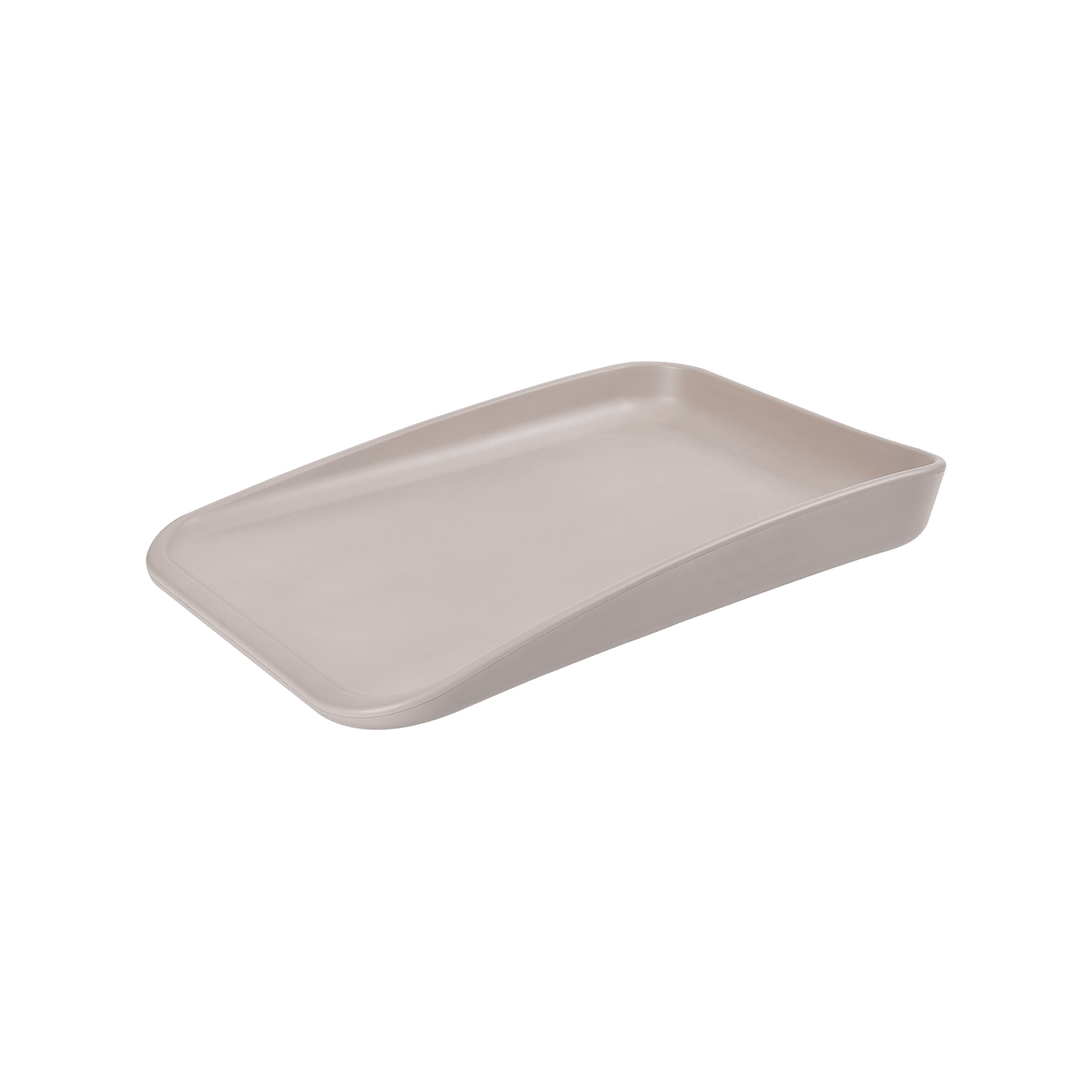
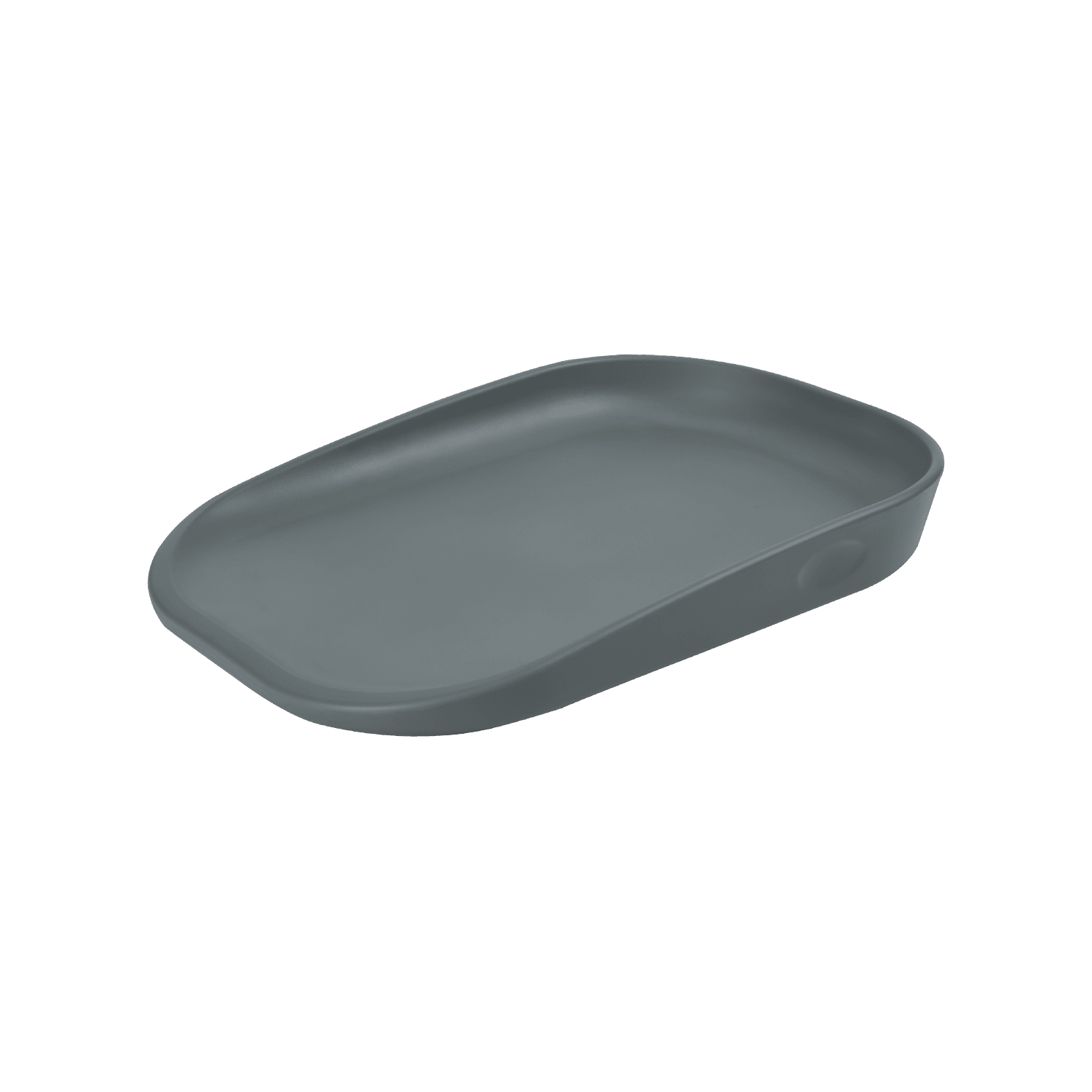
Many foam changing pads include a slight raised edge or a “nest” design. However, these are usually only 2–5 cm high – enough to remind a baby of the boundary, but not enough to stop a determined roller. The real safety comes from the bottom layer: non‑skid textures or grippy fabrics that prevent the entire mat from sliding on the dresser or table. A stationary mat is the first step toward a safe changing environment.
Proven techniques to stop rolling (even on a flat foam surface)
Based on parent surveys and product testing, the following methods show the highest success rate in preventing roll‑offs:
- The “diaper distraction” hold: Keep a small, safe toy or a spare diaper in your hand. When the baby starts to roll, redirect their attention. This simple tactic works in over 80% of cases according to a 2022 parenting poll.
- Safety straps (if available): Some foam pads come with built‑in T‑bar or belt straps. Always use them, but remember they are not a substitute for supervision. Ensure they fit snugly but comfortably.
- Positioning on the floor: For newborns and rolling babies, the safest place for a foam changing pad is directly on the floor. This eliminates any fall risk. Many parents in Europe use this method exclusively.
The “one‑hand rule” backed by data
A study published in the journal Injury Prevention noted that 93% of changing table falls happen when the caregiver turns away or reaches for something, even for a second. Keeping one hand on the baby’s torso eliminates that window. This is the single most effective measure, regardless of mat type.
Foam changing pad features that aid safety: a material perspective
Ningbo Mianyang New Materials Co., Ltd., founded in 1992, specializes in polyurethane molded foam. Their expertise highlights why foam quality matters for safety:
- Density and firmness: A higher‑density foam (e.g., 25–30 kg/m³) provides a stable surface. If the foam is too soft, the baby may sink and find it harder to roll, but it can also make repositioning difficult for the parent. The ideal pad balances comfort and a firm, flat base.
- Edge design: Some foam pads from this Chinese factory feature a slight “bolster” edge created during the molding process. While not a restraint, it gives tactile feedback to the baby.
- Cover grip: The outer fabric, often waterproof and breathable, can be treated with a non‑slip backing. This is crucial for keeping the pad on smooth surfaces.
For a quick comparison, see how different foam pads stack up:
Table 1: Foam pad features and their impact on roll prevention
| Feature |
Common specification |
Effect on rolling |
| Foam density |
22–35 kg/m³ |
Higher density = less sinking = baby can push off easier (requires more supervision) |
| Edge height |
2–6 cm |
Provides a psychological barrier, not a physical one |
| Non‑slip bottom |
PVC dots or textured fabric |
Prevents mat shift, reducing fall risk by ~40% |
Why a China‑based manufacturer like Mianyang prioritizes formulation
Ningbo Mianyang New Materials Co., Ltd. stands out because they control the entire process – from raw material research and formulation to mold design. This vertical integration means they can engineer foam with specific properties: a balance of softness for comfort and resilience for safety. Their product range, including baby items, benefits from decades of PU foam expertise (since 1992). For a changing pad, this translates to a durable, non‑toxic, and stable surface that won't degrade and become slippery or too soft over time.
Checklist: daily use to minimize rollover risk
Follow this simple routine every time you place your baby on a foam changing mat:
- Inspect the pad: Ensure the cover is intact and the foam hasn't developed deep indentations.
- Test the grip: Push the pad gently on the surface – it should not slide easily.
- Position baby: Place them in the center, never near the edge.
- Secure all supplies: Have diapers, wipes, and cream within arm's reach before you start.
- Keep contact: Maintain one hand on the baby at all times.
By integrating these habits, you reduce the chance of a roll‑off incident to nearly zero.
Frequently asked questions (FAQ) about baby rolling on mats
Q: At what age do babies start rolling on the changing mat?
Most babies begin to roll intentionally between 4 and 6 months. However, some can roll as early as 3 months. Always assume your baby might roll at any time, even during the newborn stage – newborns can surprise you with an unexpected roll.
Q: Can a contoured foam pad prevent rolling?
Contoured pads (with a slight depression) may make it slightly harder for a baby to gain momentum, but they are not designed to restrain movement. Never rely on contouring alone; supervision is still mandatory.
Q: Are foam changing pads from China safe?
Reputable manufacturers like Ningbo Mianyang New Materials Co., Ltd. follow strict quality controls and use certified, baby‑safe foams. Their products meet international standards for safety and non‑toxicity. Always look for certifications like OEKO‑TEX or ASTM when purchasing.
Final takeaway: the mat is a helper, your attention is the safeguard
No foam changing pad, regardless of its design or the advanced polyurethane technology from a leading factory like Mianyang, can replace active parental supervision. The combination of a high‑quality, non‑slip foam pad and the simple practice of keeping one hand on your baby is the only way to ensure they won't roll off. Use the mat for comfort and hygiene, but let your vigilance be the true safety measure.



 西班牙语
西班牙语