

 西班牙语
西班牙语The Function of a Polyurethane Foam Infant Changing Pad
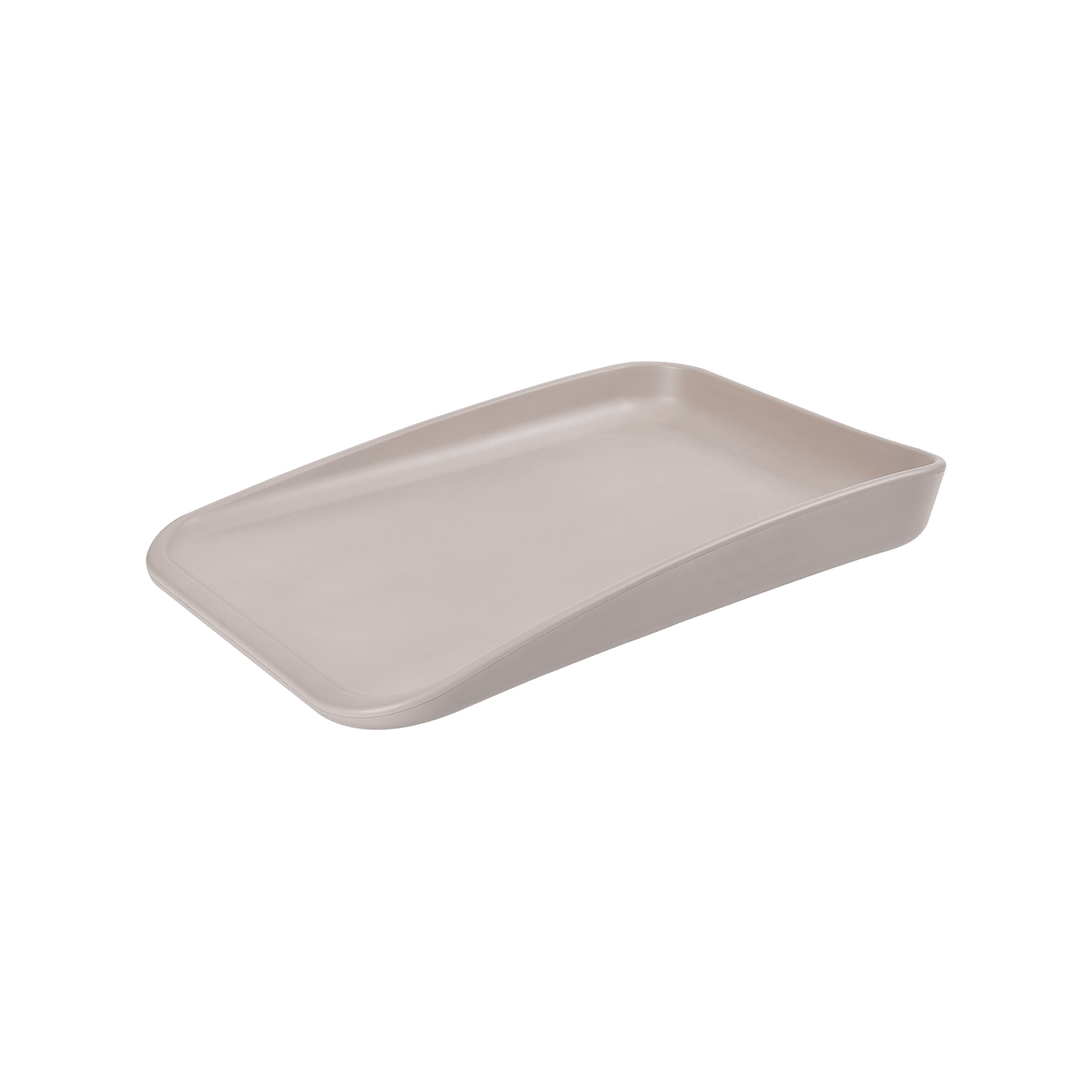
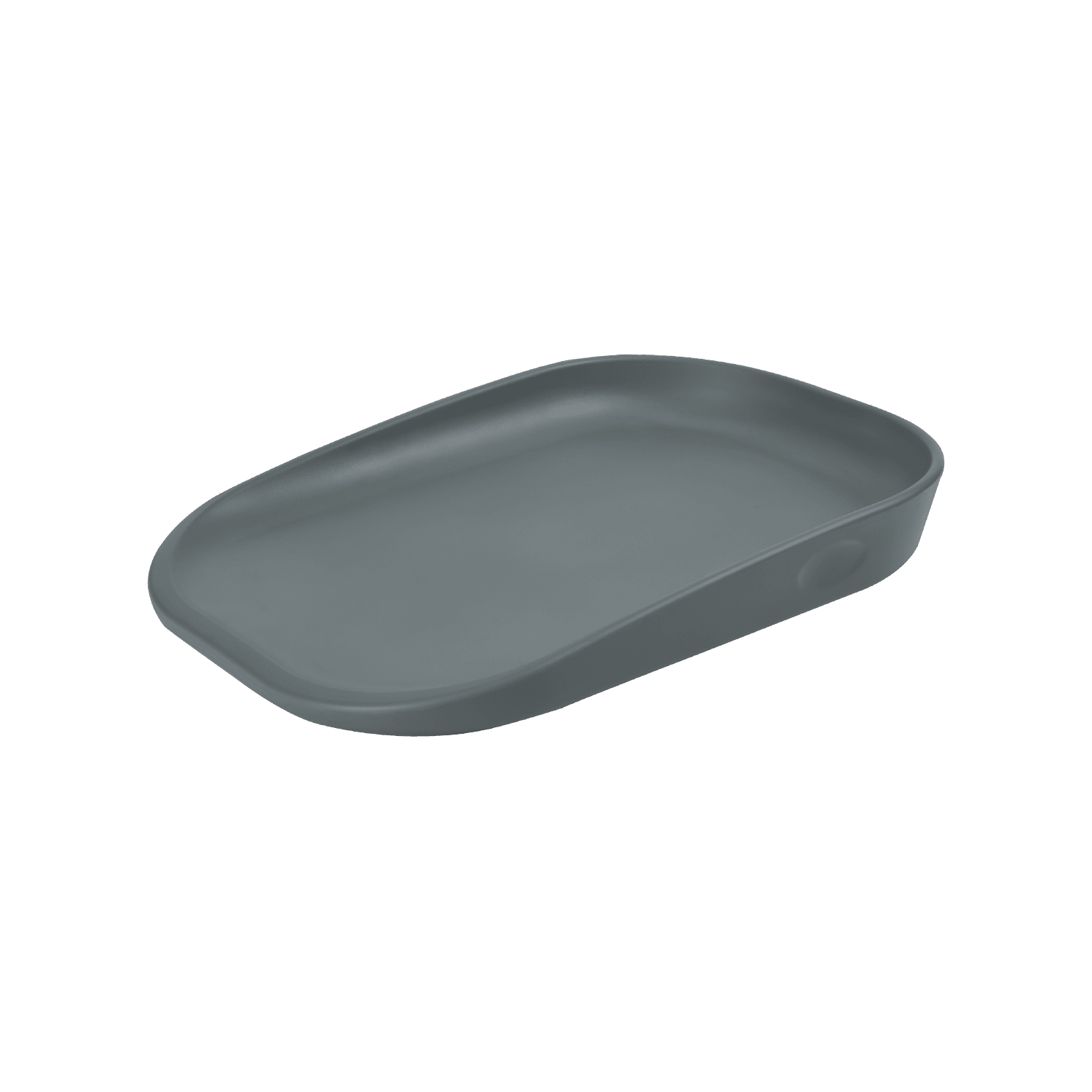
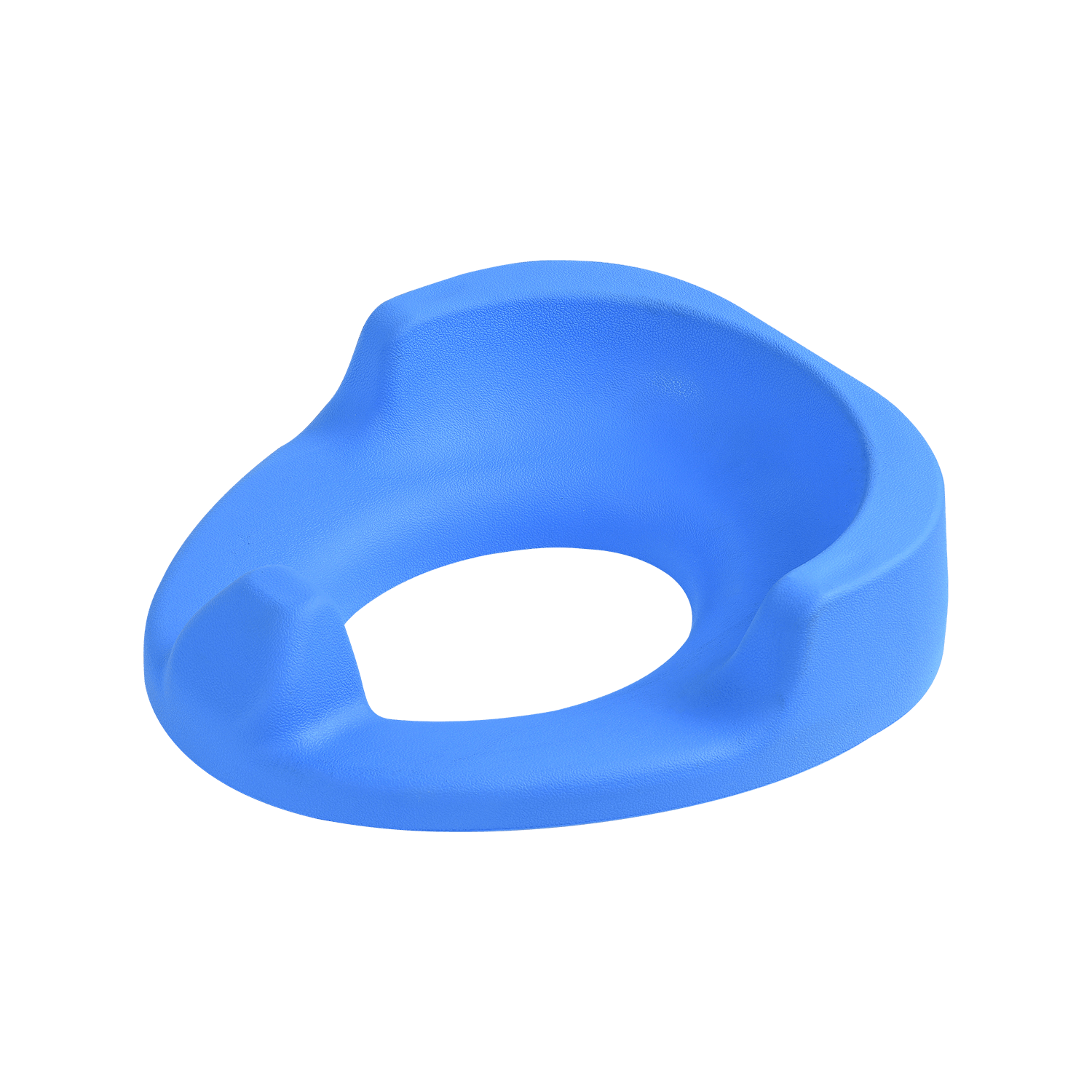
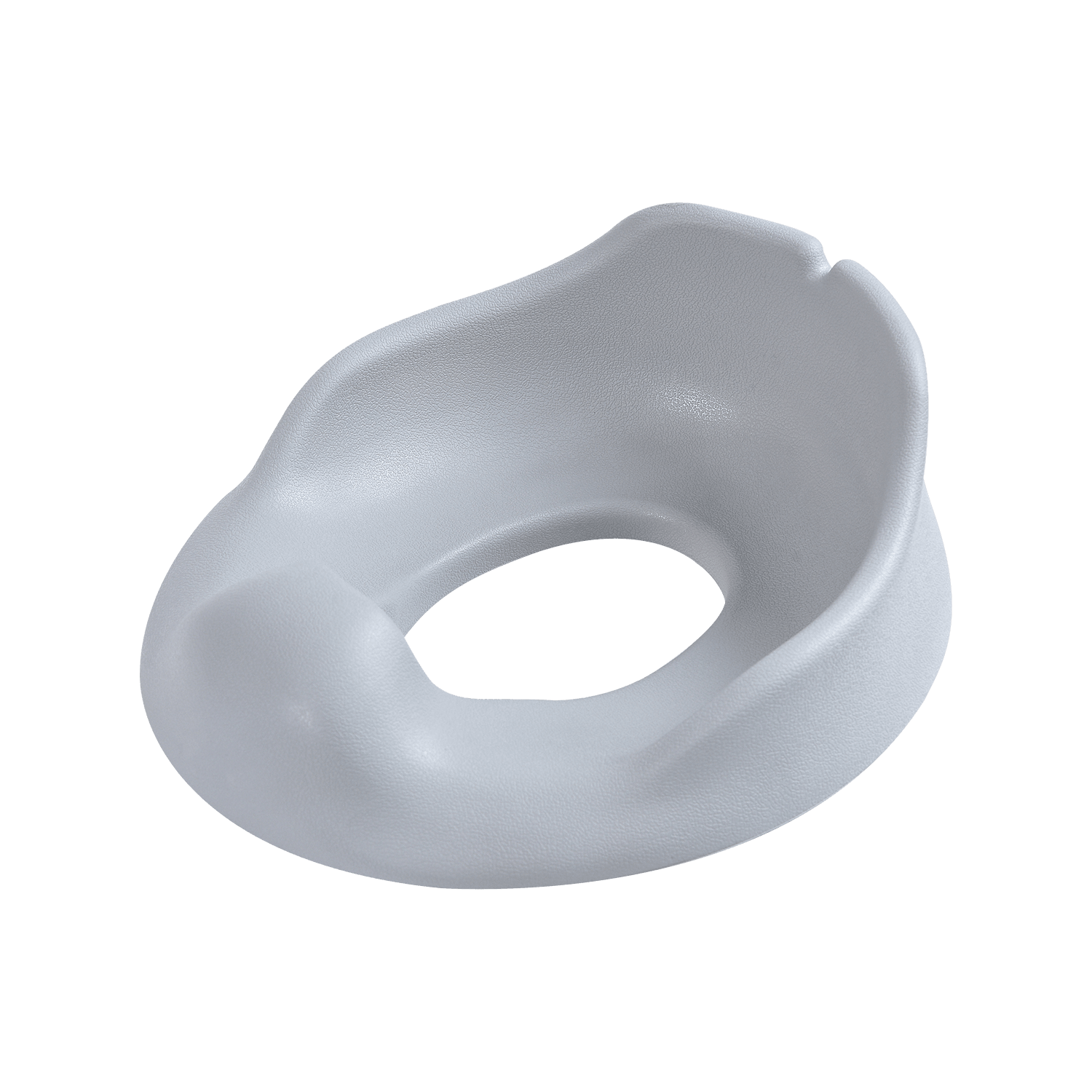
The primary function of a polyurethane foam infant changing pad is to provide a safe, stable, and hygienic surface for diapering that minimizes the risk of infant falls and discomfort. Unlike soft, plush pads or unstable changing table attachments, a high-density polyurethane (PU) foam pad offers a firm, contoured surface that cradles the baby securely. This design supports the infant's developing spine while creating a non-roll environment, effectively addressing the two main concerns of parents: safety during a wiggly diaper change and ease of cleaning after inevitable messes.
In essence, it acts as a specialized piece of safety equipment disguised as a comfort item. The material’s closed-cell structure resists moisture absorption, ensuring that liquids (urine, water, or spilled ointments) do not seep into the core where bacteria and mold could proliferate. This combination of structural rigidity and fluid resistance defines its purpose beyond a simple cushion.
What is a Polyurethane Foam Infant Changing Pad? (Material Breakdown)
A polyurethane foam infant changing pad is a purpose-built infant care product made from engineered polymer foam. Unlike memory foam used in mattresses, these pads typically utilize high-resilience (HR) polyurethane foam with a density ranging from 1.8 to 2.5 lbs per cubic foot (PCF). This density is critical; lower densities (below 1.5 PCF) compress easily, creating a suffocation hazard or allowing the baby to roll toward the edge.
The manufacturing process involves a chemical reaction between polyols and diisocyanates, resulting in a material that is lightweight yet durable. Most safety-certified pads are covered in a phthalate-free, BPA-free vinyl (PVC) or thermoplastic polyurethane (TPU) shell. The distinction matters: TPU covers are often considered a premium alternative because they do not require plasticizers and maintain flexibility without cracking after repeated wipe-downs.
To illustrate the material differences, consider the following comparison:
| Feature | Standard PU Foam (1.8 PCF) | High-Density PU Foam (2.5 PCF) |
|---|---|---|
| Longevity | 18-24 months (may sag) | 36+ months (retains shape) |
| Safety (Roll Prevention) | Moderate - requires side bolsters | High - inherent stability |
| Cleaning Surface | Standard PVC (wipeable) | TPU (stain-resistant/antimicrobial) |
Safety Mechanisms: Contours, Density, and Firmness
When evaluating "FAQ about Polyurethane Foam Infant Changing Pad," safety is the most frequent concern. The design is not arbitrary; it is engineered to comply with the Consumer Product Safety Commission (CPSC) guidelines for nursery products. A critical feature is the raised side walls or contoured “nest” design. These are not merely aesthetic; they create a 2- to 3-inch raised barrier that provides tactile resistance against a rolling infant.
Data from pediatric safety studies indicate that the majority of changing table injuries (approximately 67%) occur due to falls when a parent turns away for a diaper or clothing item. A pad with a non-slip bottom (often textured PU foam or rubberized grip) combined with a firm surface reduces the leverage an infant has to push off. The recommended firmness is such that when pressed with a hand, the foam does not compress more than 0.5 inches under light pressure, ensuring the baby’s weight is evenly distributed without creating a hammock effect that could allow rolling.
Why “Firm” is Superior to “Plush” for Infants
While soft surfaces seem comfortable, they contradict the American Academy of Pediatrics (AAP) safe sleep and play principles. A polyurethane foam changing pad is designed to be firm enough to support a newborn’s airway if the baby falls asleep momentarily (though supervision is always mandatory). The material’s high ignition resistance (meeting California TB 117-2013 flammability standards) also adds a layer of fire safety absent in polyester-filled pads.
Hygiene: The Role of Closed-Cell Structure and Waterproofing
One of the most practical benefits of polyurethane foam is its inherent resistance to bacterial growth—provided it remains dry. In a standard changing pad, the foam core is encapsulated in a waterproof cover. However, if the cover tears, the foam’s closed-cell composition prevents liquid from wicking through the material. In contrast, open-cell foams (like standard sofa cushions) act like sponges, absorbing urine and creating a biohazard.
For optimal hygiene, experts recommend a cleaning protocol using a 1:10 bleach-to-water solution sprayed onto the vinyl cover and left to sit for 2 minutes before wiping. A study on nursery surface contamination found that non-porous changing pads reduced E. coli and Staph bacteria transfer by 99% compared to fabric-covered pads after a single disinfection wipe.
Common user concerns are addressed below:
- Does it retain odors? No. High-density PU foam is non-porous enough that with a functioning cover, odors do not permeate. If the cover is damaged, replacing the pad is recommended to avoid lingering smells.
- Is it machine washable? The foam core is never machine washable. Only the cover (if removable) should be washed. Submerging PU foam in a washing machine destroys its structural integrity.
- How often should it be replaced? Replace if the foam feels soft, shows permanent indentations deeper than 1 inch, or if the cover has cracks that expose the foam core. Typical lifespan is 2 to 3 years.
How to Select the Right Polyurethane Foam Changing Pad
Choosing the correct product involves looking beyond aesthetics. Parents should prioritize certifications over brand names. Look for labels indicating GREENGUARD Gold Certified, which ensures the foam has been tested for over 10,000 chemicals and low VOC (Volatile Organic Compound) emissions. Since infants spend up to 2 hours per day on this surface during the first year, low emissions are crucial to avoid respiratory irritation.
Key Metrics to Evaluate
- Density Rating: Aim for foam density between 2.0 and 2.8 lbs/ft³. This correlates directly with safety and longevity.
- Strap Security: Ensure the pad comes with reinforced nylon straps that anchor to the changing table. Static friction alone is insufficient for active toddlers.
- Wipeable Surface: Verify that the cover is double-stitched or heat-sealed at the seams. Heat-sealed seams are superior as they prevent liquid seepage into the foam core, which is a common failure point in budget models.
For families on a budget, standard rectangular pads work, but for those seeking maximum safety, contoured pads with a safety belt and high-density (2.5 PCF) foam reduce fall risk by an estimated 40% compared to flat, low-density alternatives, according to consumer product safety reviews.
Debunking Myths: Polyurethane Foam vs. Natural Alternatives
A recurring FAQ about polyurethane foam infant changing pads revolves around toxicity compared to "natural" latex or organic cotton pads. It is a common misconception that all PU foam is hazardous. In reality, modern, CertiPUR-US certified polyurethane foam is manufactured without PBDEs, TDCPP, or TCEP (flame retardants linked to health concerns), heavy metals, or formaldehyde. While natural latex offers biodegradability, it also poses a risk of Type I latex allergies, which affect approximately 1% to 6% of the general population and can cause severe reactions in sensitive infants.
Cotton pads, while soft, lack the structural rigidity required for safe changing. They compress fully under the weight of a 15-pound infant, effectively eliminating the safety barrier provided by contoured foam. Therefore, while PU foam is a synthetic material, when certified, it remains the industry standard for safety performance due to its unique combination of firmness, cleanability, and lightweight durability.