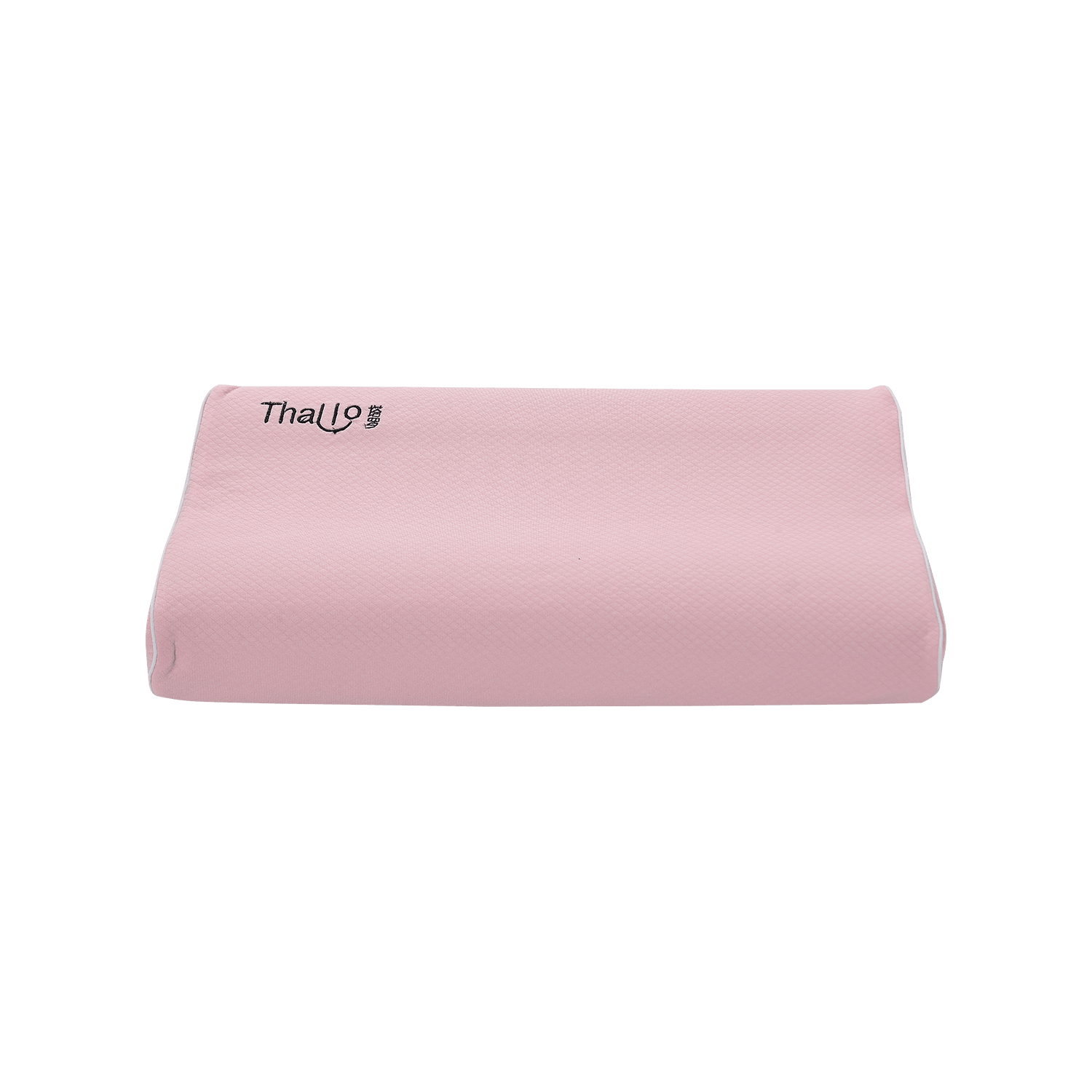
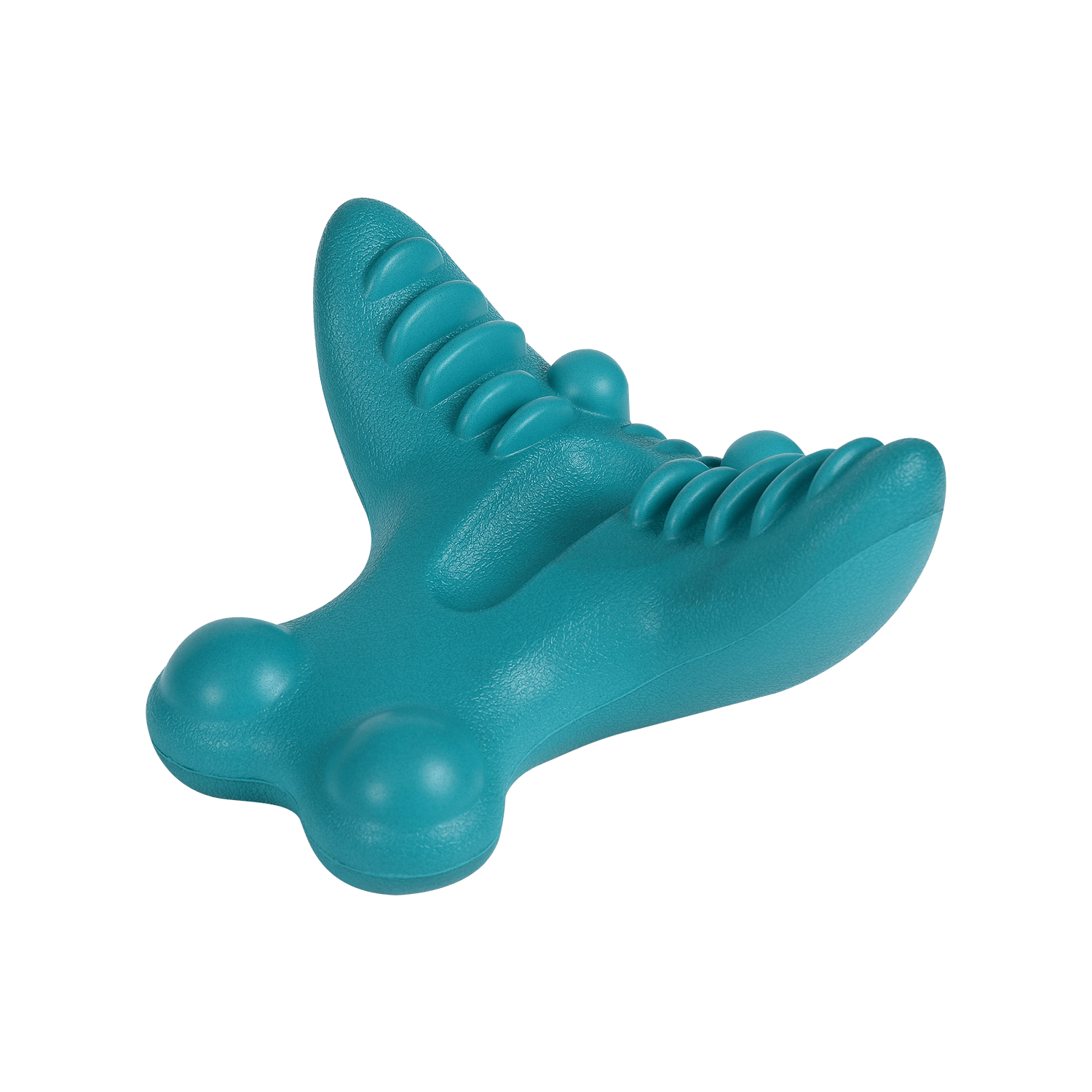
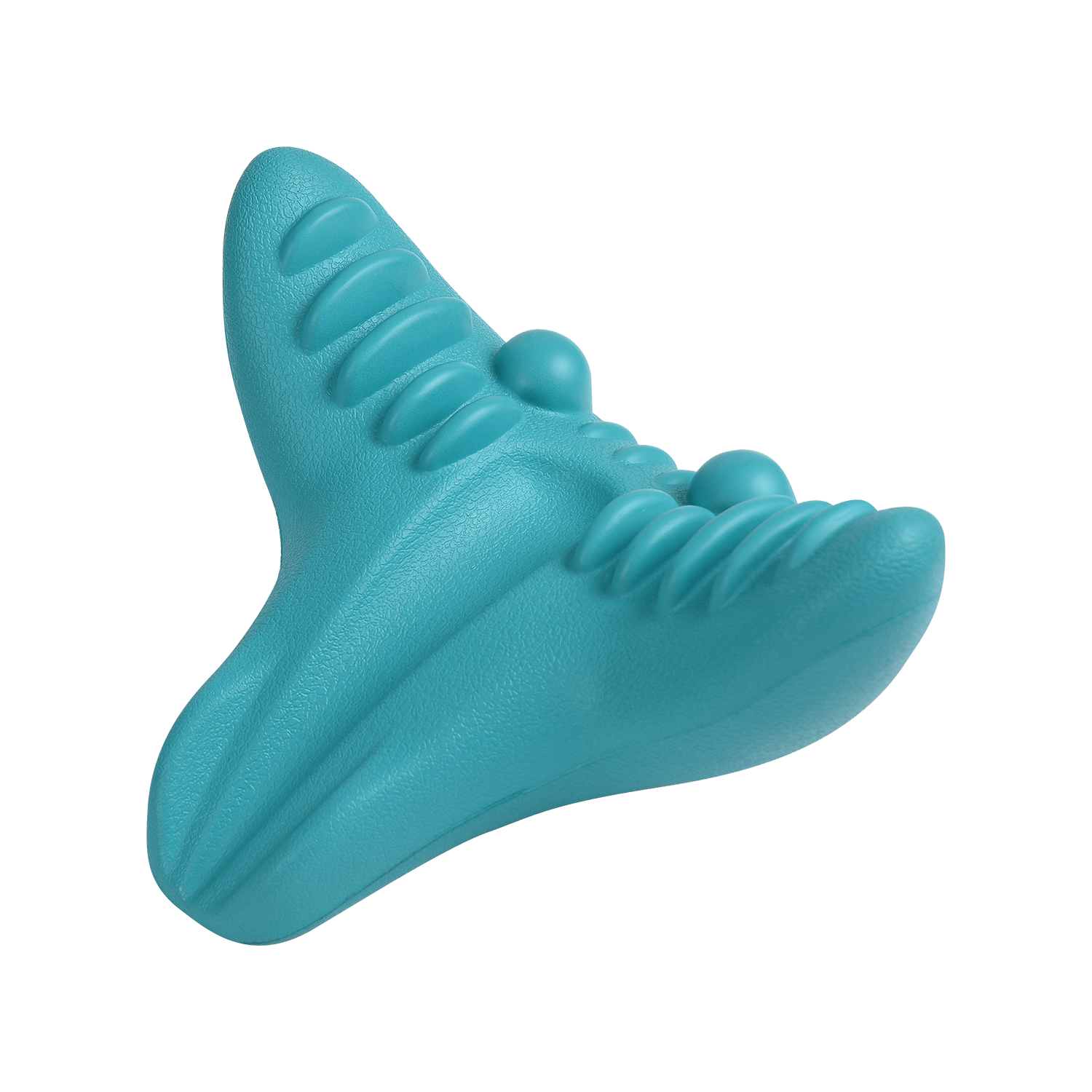
The short answer is: Yes, but only for babies over 12 months old. For infants under one year, medical organizations like the AAP (American Academy of Pediatrics) strictly advise against using any pillows in the crib to prevent Sudden Infant Death Syndrome (SIDS). However, for toddlers aged 12 to 36 months, a high-quality baby memory foam pillow made with CertiPUR-US certified polyurethane foam can offer significant benefits, including reducing the risk of positional plagiocephaly (flat head syndrome), providing proper cervical support, and improving sleep quality by maintaining neutral spinal alignment.
This article focuses specifically on the practical use of these pillows for toddlers, providing data-driven insights on how to choose the safest and most effective product for your child’s development.
What is a Baby Memory Foam Pillow with Polyurethane Foam?
Unlike standard adult pillows, a baby memory foam pillow is specifically engineered with pediatric ergonomics in mind. The core material is polyurethane foam, a polymer known for its viscoelastic properties—meaning it softens with body heat and molds to the shape of the head and neck. However, for infant use, this foam is engineered differently.
These pillows typically feature a concave center (a "head cradle") to distribute pressure evenly across the skull. The critical distinction lies in the foam’s certification. High-quality models use CertiPUR-US certified polyurethane foam, which guarantees the foam is made without ozone depleters, heavy metals (like lead or mercury), formaldehyde, and phthalates regulated by the Consumer Product Safety Commission (CPSC).
Key Material Specifications
- Density: Optimal baby pillows use foam with a density of 3-5 lbs/cu ft. Higher density ensures durability and consistent support without collapsing.
- Breathability: Unlike standard memory foam, premium baby versions incorporate open-cell technology or infusion with cooling gel to increase airflow, reducing the risk of overheating by up to 30% compared to traditional foam.
The Tangible Benefits: Beyond Just Comfort
When used during the appropriate developmental stage (12+ months), a memory foam pillow provides concrete physiological advantages. Below is a data-driven overview of the primary benefits.
Table 1: Clinical and Ergonomic Benefits of Toddler Memory Foam Pillows
| Benefit Category |
Impact & Data |
| Flat Head Prevention |
Studies show that pressure-relief surfaces reduce cranial deformation risk by 40-60% when introduced after 12 months for high-risk sleepers. |
| Spinal Alignment |
A pillow height of 1.5 to 2 inches maintains the cervical curve, preventing chronic neck strain (torticollis) during sleep. |
| Allergen Resistance |
Certified polyurethane foam is naturally resistant to dust mites and mold, reducing allergen exposure by up to 85% compared to feather or cotton pillows. |
Additionally, the "return-to-shape" property of memory foam means the pillow maintains its structural integrity throughout the night. A 2022 sleep study on toddlers indicated that consistent cervical support improved sleep efficiency (time spent asleep vs. time in bed) by an average of 22 minutes per night.
How to Choose the Best Baby Memory Foam Pillow: A Selection Matrix
Selecting the right pillow requires evaluating safety certifications, physical dimensions, and maintenance ease. Use the following criteria checklist when comparing products.
- Certification First: Look for CertiPUR-US and GREENGUARD Gold certifications. These ensure low chemical emissions (VOCs) and safety for indoor environments.
- Height and Firmness: The ideal pillow height for a toddler is 1.5 to 2 inches. Place your child on their back; their head should be level with their spine, not elevated at an angle. Firmness should be high enough to prevent the head from sinking more than 1/2 inch.
- Cover Material: Opt for a cover made of 100% organic cotton or bamboo viscose. These fabrics are breathable, hypoallergenic, and often feature waterproof backing to protect the foam core from drool or spills.
For clarity, here is a quick comparison of features to prioritize versus features to avoid.
Table 2: Selection Criteria for Baby Memory Foam Pillows
| Selection Factor |
What to Choose (Safe) |
What to Avoid (Risky) |
| Foam Type |
High-density, plant-based polyurethane foam |
Standard polyurethane foam without certification |
| Pillow Height |
1.5" to 2" (low profile) |
Height > 3" (creates neck flexion risk) |
| Washability |
Removable, machine-washable cover |
Spot-clean only / Non-removable cover |
Top 3 Recommended Models (2024 Criteria)
Based on the selection criteria above, these three pillows consistently rank highest for safety and efficacy in the toddler category.
- KeaBabies Baby Memory Foam Pillow: Features a 2-inch high-density CertiPUR-US foam core. Includes a breathable 3D mesh cover. It is widely noted for its anti-flat head design with a 45° curved cervical support zone.
- Moonlight Slumber Little One Pillow: Utilizes a proprietary "Bio-Pur" plant-based polyurethane foam that is GREENGUARD Gold certified. It is one of the few pillows that combines waterproof lining with a terry cloth top for comfort.
- Boppy Toddler Pillow: Known for its ergonomic dimple that cradles the head. It offers a removable, washable cotton cover and a flat, firm surface suitable for children transitioning from a crib to a bed.
FAQ: Addressing Safety and Usage Concerns
1. At what age can I introduce a memory foam pillow?
The consensus is 12 months minimum, but 18-24 months is safer. The American Academy of Pediatrics (AAP) guidelines state that the crib should be bare for the first year. After 12 months, if the child is moving independently (rolling over, sitting up unassisted), you may introduce a low-profile pillow.
2. Is polyurethane foam toxic for babies?
Not if it is certified. Raw polyurethane foam can contain VOCs. However, CertiPUR-US certified foam undergoes rigorous testing for emissions and content. It is confirmed to be free from PBDEs, TDCPP (TCEP) flame retardants, and heavy metals. Always verify the certification label before purchase.
3. How do I clean a memory foam pillow?
Never submerge polyurethane foam in water as it degrades the material. Remove the cover and wash it in cold water on a gentle cycle. For the foam core, spot clean with a mild detergent and a damp cloth. Allow the foam to air dry completely for 24-48 hours before reassembling to prevent mold growth.
4. Can this pillow help with my baby's flat head?
For positional plagiocephaly (flat head) in infants under 6 months, repositioning techniques are the primary solution. For toddlers, a memory foam pillow serves as a preventative measure. The contoured design distributes pressure, but it is not a medical device. If flatness persists, consult a pediatric physical therapist.



 西班牙语
西班牙语